Pipe Repair Cost Guide: What San Diego Homeowners Should Expect
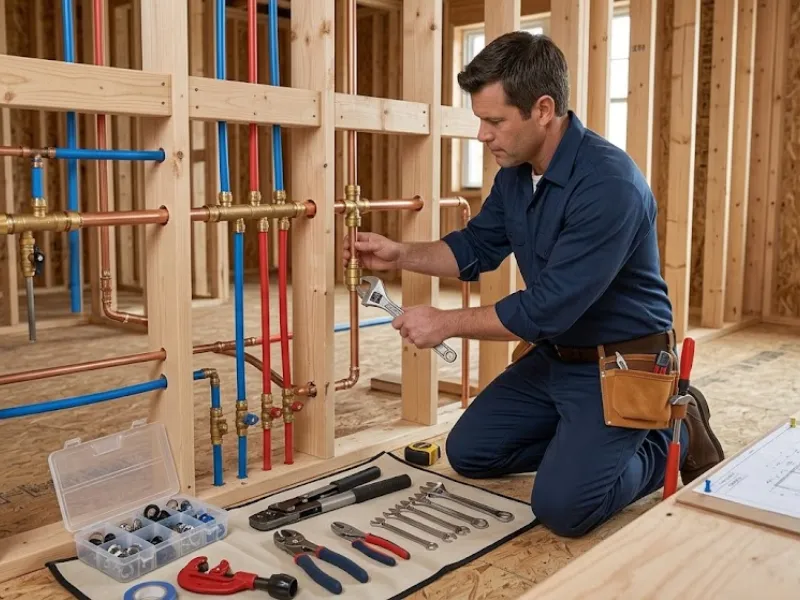
If a pipe is leaking somewhere in your San Diego home, one of your first questions is almost always the same: what is this going to cost? The honest answer is that pipe repair prices swing widely, from a couple hundred dollars for an exposed leak under a sink to several thousand for a slab leak or a sewer line replacement. The good news is that the range is predictable once you understand what drives it.
In this guide we break down what San Diego homeowners should expect to pay, how pipe material and location change the number, when a repair stops making financial sense and a repipe becomes the better buy, and the warning signs that mean you should call a licensed plumber before a small leak becomes an expensive one.
Repair vs. Repipe: Which One Makes Sense?
Before you can budget, you need to know whether you are paying for a repair or facing a repipe. They are very different numbers, and the choice usually comes down to how widespread the problem is.
A repair targets one failed section of pipe. It is the right call when a single leak appears on an otherwise healthy line, when the rest of the system still holds pressure well, and when the pipe material is not known for widespread failure. A repair is fast, less invasive, and cheaper up front.
A repipe replaces some or all of the supply or drain lines in the home. It is the smarter investment when leaks keep returning in different locations, when pressure is weak throughout the house, or when the plumbing is galvanized steel or polybutylene, both of which corrode or fail at the material level rather than at one spot. Our repipe and pipelining services explain the modern options, including partial repipes that replace only the worst run of pipe.
The financial rule of thumb is simple: if your repair costs are starting to repeat every year or two, you are paying for a repipe in installments without ever getting a new system. Our guide to how much plumbing repair costs walks through that math in more detail.
How Pipe Material Affects Pipe Repair Cost
The material running through your walls changes both the parts cost and how long the fix lasts. Here is how the four most common materials in San Diego homes compare.
Copper
Copper is durable and still the standard in many older San Diego homes, but it is also the most expensive material to buy and repair. A copper pinhole leak repair often runs higher than a comparable PEX fix because the work requires soldering or pressing. Hard water and decades of pressure changes cause the pitting that leads to those pinholes.
PEX
PEX tubing is flexible, resistant to scale, and far cheaper to install than copper. For repairs, it can often be fished through walls with fewer joints, which saves labor. If a section of your home was already converted to PEX, a repair is usually the least expensive option on this list.
Galvanized Steel
Galvanized steel corrodes from the inside out. We regularly pull galvanized pipe so restricted by rust and scale that the opening has shrunk from roughly 3/4 inch to less than a quarter inch. You can patch a section of galvanized pipe, but the rest of the line is usually just as bad, so repairs here frequently turn into repipes.
PVC and ABS
These plastics handle drain, waste, and vent lines rather than pressurized supply. PVC and ABS are inexpensive to repair, but joints, cracks, and root intrusion are common failure points. Underground drainage repairs cost more because of access, not the material itself.
Ask your plumber to note the pipe material when they give you a quote. If the failing pipe is galvanized steel, price a partial repipe alongside the repair so you can compare the two before you commit.
Why Accessibility Drives Pipe Repair Cost
If you remember one thing from this guide, make it this: in plumbing, access is money. Two identical leaks can cost wildly different amounts depending on where the pipe sits.
Exposed pipe
A pipe under a kitchen sink, in a garage, or in a crawl space can be cut and repaired in minutes. No demolition, no restoration, just the plumbing. This is the least expensive scenario by far.
In-wall pipe
A pipe hidden in a wall adds an open-and-close step. The plumber has to cut drywall, sometimes move cabinets or tile, then you need patching, texture, and paint after the fix. The plumbing labor may be modest; the demolition and drywall repair are what push the price up.
Under-slab pipe
A slab leak runs beneath your foundation. Accurate detection comes first, then the repair may involve jackhammering a channel through concrete, rerouting the line through the attic or walls, or cutting and capping the failed section. Concrete repair and disruption make this one of the pricier repairs, and it is why we treat slab leaks as an urgent call.
Underground and sewer lines
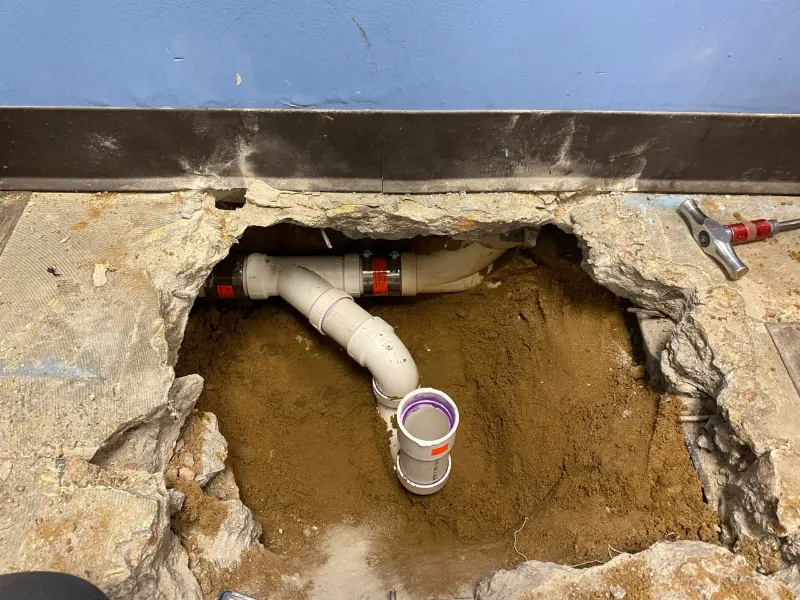
Buried exterior and sewer lines require excavation or trenchless equipment. The depth, soil, landscaping, and how far the pipe runs all add cost. Locating the exact failure with a camera inspection before digging is what keeps these bills from ballooning.
Typical San Diego Pipe Repair Costs
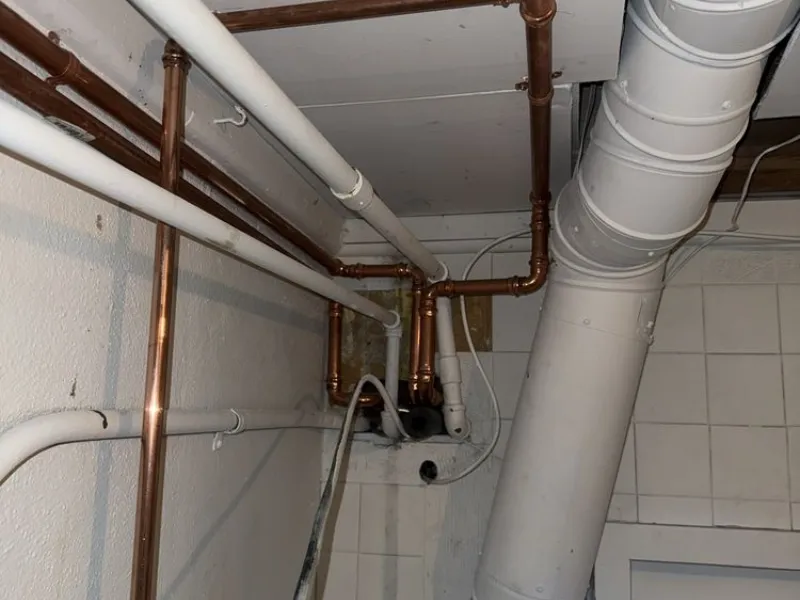
The table below shows the ranges we commonly see across San Diego County. Treat these as ballpark estimates for planning, not fixed quotes. Every home is different, and the only way to know your real number is an on-site inspection.
| Scenario | Typical Range | Main Cost Driver |
|---|---|---|
| Single exposed pipe repair | $150 – $600 | Pipe material and fitting count |
| Pinhole leak repair | $200 – $800 | Copper soldering and pipe condition |
| In-wall pipe repair | $400 – $1,500 | Wall access plus drywall repair |
| Slab leak repair | $1,000 – $4,000+ | Detection, rerouting, and concrete work |
| Partial repipe | $1,500 – $5,000 | Linear feet replaced and access |
| Whole-home repipe | $4,500 – $15,000+ | Home size, fixtures, and material chosen |
| Sewer line repair or replacement | $1,500 – $12,000+ | Depth, length, and trenchless vs. digging |
A price that looks unusually low for an in-wall or slab repair often means drywall, concrete, or permitting is not included. Always confirm what the quote covers before you approve the work.
What Moves Your Final Price
Two homeowners can get very different quotes for what sounds like the same problem. These are the variables that explain the gap.
- Pipe material. Copper parts and labor cost more than PEX. Older or obsolete materials can add work because the new pipe has to adapt to them.
- Length of pipe. The more linear feet involved, the more material and labor. This is why a partial repipe costs more than a spot repair.
- Access, demolition, and drywall. Opening a wall or slab, then restoring drywall, texture, and paint, can add hundreds or thousands on top of the plumbing itself.
- Permits and inspections. Repipes, sewer replacements, and gas work often require a permit and inspection, which adds a fee and time to the job.
- Emergency premiums. After-hours and weekend calls carry a higher rate because of overtime. If the leak can safely wait for a standard appointment, you will usually pay less.
- Home age and layout. Older San Diego homes may have multiple pipe materials layered in over the decades, plus harder-to-reach runs behind original plaster or tile, all of which slow the work down.
- Water damage. If a leak has soaked framing or flooring, restoration work joins the plumbing bill.
Because these factors combine differently in every home, the same "pipe repair" can be a modest task in one house and a multi-day project in the next. That is also why a written, itemized estimate matters more than any number you read online.
Trenchless Options Can Cut Digging Costs
When the pipe is buried, whether it is a sewer line or an exterior water main, the digging is often the most expensive part of the job. Trenchless methods exist specifically to reduce it.
Pipe lining, also called CIPP, inserts a resin-coated liner into the existing pipe and cures it in place, creating a new pipe inside the old one. Pipe bursting pulls a new line through while fracturing the old pipe outward. Both approaches can restore a failing line with far less excavation than a traditional dig-and-replace, which protects driveways, patios, landscaping, and mature trees.
Trenchless work is not right for every situation. Badly collapsed lines or severe root intrusion may still call for excavation, and trenchless methods add material cost that can offset the savings on small jobs. For long runs under concrete or established yards, though, they frequently come out ahead. Our pipelining team can tell you whether your line is a candidate after a camera inspection.
When Repairing the Same Line Is a Bad Buy
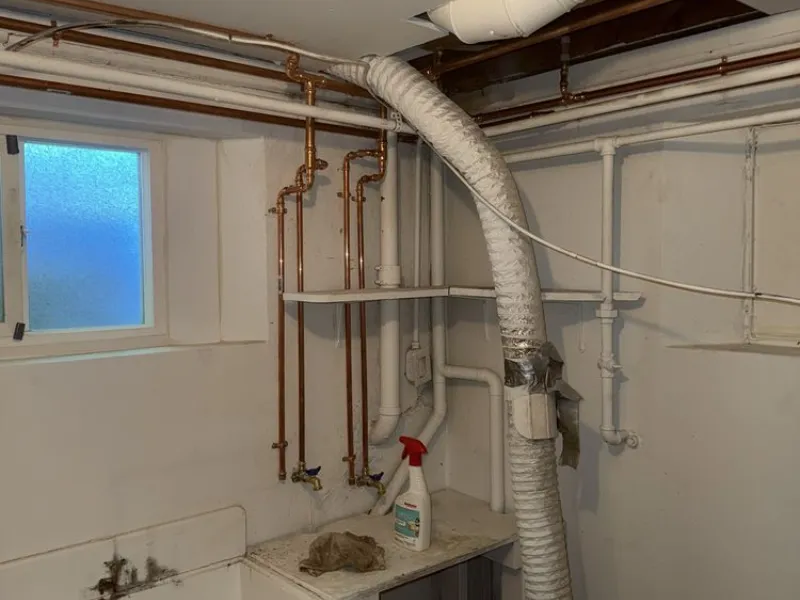
Repairs are not wasted money, but they have a breaking point. If you have paid to fix the same line more than once, or if leaks keep popping up in different rooms, you are treating symptoms instead of the cause.
That pattern almost always points to material failure. Galvanized steel and polybutylene pipes degrade along their entire length, so every repair just moves the next failure a few feet down the line. Copper with widespread pitting behaves the same way, especially in San Diego's hard water. When the pipe itself is the problem, a repipe is usually the cheaper long-term decision, even though the up-front number is higher.
It helps to think in decades rather than days. Three or four repairs over five years can easily approach the cost of a partial repipe, and you still end up with old pipe. If your home is showing that pattern, our post on preventing plumbing problems in older San Diego homes and our overview of common San Diego plumbing problems both cover how to recognize a system that is ready to be replaced.
Signs You Need Pipe Repair Sooner Than Later
Small pipe problems rarely announce themselves loudly. Watch for these early warnings, because catching a leak before it soaks drywall or undermines a slab is by far the cheapest outcome.
- Rust-colored or metallic-tasting water. Discoloration often means the inside of a steel or iron pipe is corroding into your supply.
- Low water pressure throughout the house. Scale and corrosion narrow the pipe, so pressure drops at every fixture, not just one.
- Recurring leaks in the same area. Repeat failures signal a pipe that is failing along its length, not a one-off defect.
- Visible corrosion, flaking, or greenish staining. Crusty fittings and blue-green marks on copper point to active leaks and thinning pipe walls.
- Unexplained spikes in your water bill. A hidden leak can run for weeks before you see any water.
- Warm spots, damp floors, or new cracks. These are classic signs of a slab leak that needs professional detection right away.
A pipe leak that is caught early is usually a few-hundred-dollar repair. The same leak left alone can damage drywall, flooring, cabinets, or your foundation, turning a small plumbing bill into a restoration project.
Frequently Asked Questions
How much does it cost to repair a pipe in San Diego?
Most single exposed pipe repairs fall between roughly $150 and $600, while a pinhole leak repair commonly runs $200 to $800. In-wall repairs usually land between $400 and $1,500 before drywall patching, and a slab leak repair often ranges from $1,000 to $4,000 or more because the pipe sits under concrete. These are estimates; an on-site inspection gives you an exact figure.
Is it cheaper to repair a pipe or repipe the house?
A one-time leak is almost always cheaper to repair than to repipe. But when the same line keeps failing, leaks appear in different rooms, or the home has galvanized steel or polybutylene pipe, repeat repairs add up fast. A whole-home repipe removes the failing material and often costs less over the next decade than patching one leak at a time.
Why is an in-wall pipe repair more expensive than an exposed one?
Access is the biggest cost driver. An exposed pipe under a sink or in a crawl space can be reached in minutes. An in-wall repair requires opening the wall, sometimes moving cabinets or flooring, and then patching and repainting the drywall. The plumbing work may be similar, but the demolition and restoration add labor and materials.
Does a slab leak repair cost more than a regular pipe repair?
Yes, typically. A slab leak runs beneath your concrete foundation, so the job starts with electronic leak detection and may involve jackhammering or rerouting the line. The added detection, concrete, and access work is why slab leak repairs often fall in the $1,000 to $4,000-plus range compared with a few hundred dollars for an exposed repair.
Do I need a permit to repair plumbing in San Diego?
Most simple, like-for-like repairs do not require a permit, but many repipes, sewer line replacements, gas line work, and changes to the system do. Permits are handled by the City of San Diego or the relevant jurisdiction, and they add a modest fee plus inspection time. A licensed plumber will tell you up front whether your job needs one.
Need a Straight Answer on Your Pipe Repair?
A&A Plumbing serves San Diego County with honest, upfront pricing and same-day service. We’ll inspect the pipe, explain your repair and repipe options, and quote the job before any work begins.
Call (619) 637-5215