How to Prevent Plumbing Problems in Older San Diego Homes
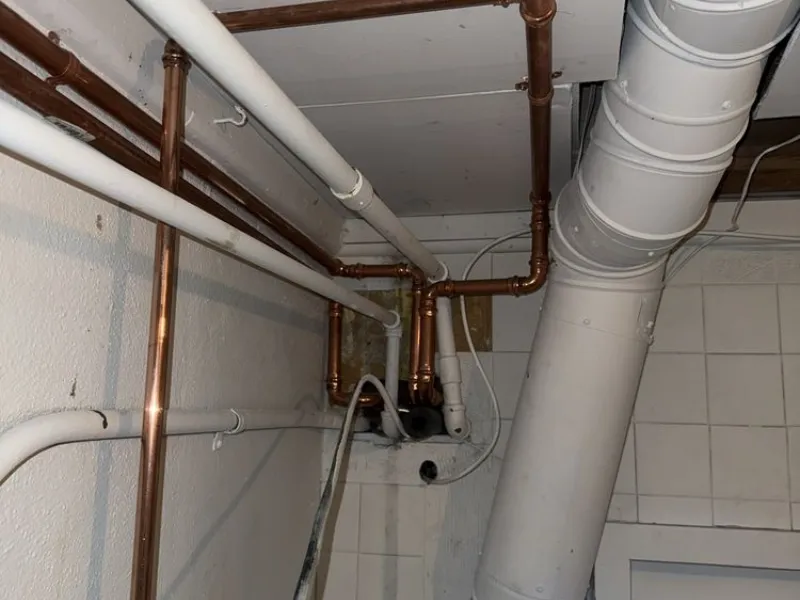
Older San Diego homes have character you simply cannot buy: original wood floors, mature shade trees, and a location close to the beach, downtown, or the canyons. What they also have, hidden behind the plaster and under the slab, is plumbing that was installed for a different era. Neighborhoods like North Park, City Heights, and La Mesa are full of homes built before 1980, and many still use galvanized steel supply pipes or cast-iron and polybutylene lines that were never meant to last this long.
The good news is that failure is not random. Pipes usually announce that they are failing long before they burst. Below is the prevention plan we recommend to every owner of an older San Diego home, along with a season-by-season calendar and a checklist you can start using today.
Why Older San Diego Homes Are Prone to Plumbing Problems
Two factors make aging San Diego plumbing fail faster than the same pipes would in a younger city:
- Pipe materials that wear from the inside. Galvanized steel supply lines rust and scale internally until the opening closes off. Cast-iron drains rust, flake, and snag debris. Polybutylene, used in some homes from the late 1970s through the 1990s, becomes brittle and is prone to sudden leaks. Each material fails on its own timeline.
- Very hard water. San Diego's tap water averages roughly 16 to 18 grains per gallon, and on-site tests across the county often read higher. Water that hard deposits calcium and magnesium as scale anywhere it is heated or left standing, which accelerates the wear that old pipe is already suffering.
Put corroding metal and aggressive water together and you get a system that declines gradually and then fails all at once. Prevention means interrupting that slide while the pipes still have life left.
Before you can prevent anything, find out what your pipes are made of. A plumber can identify galvanized steel, copper, polybutylene, or PEX in a single visit and tell you the realistic lifespan of each. See our guide to common plumbing problems in San Diego homes for how each material fails.
1. Book an Annual Professional Inspection
The single most effective prevention step is a yearly walkthrough by a licensed plumber. It is inexpensive compared with a water-damage claim and the only way to catch problems invisible from the surface.
What a good inspection covers
- Household water pressure and flow at multiple fixtures
- Visible supply and drain pipes for corrosion, scale, or moisture
- Shutoff valves, the pressure-reducing valve, and the main water line
- Water heater condition, sediment, and anode rod
- Toilets, faucets, and supply lines for slow leaks
- Drains and the main sewer line when symptoms warrant a camera
For homes built before 1980, we recommend an annual visit rather than every other year, because catching a pinhole leak or a seeping valve early is far cheaper than repairing the wall or floor around it later.
2. Install and Maintain a Water Softener
You cannot change San Diego's water supply, but you can change what it does inside your home. A whole-house water softener removes the calcium and magnesium that cause scale before the water ever reaches your pipes, water heater, or fixtures.
Why it matters for older pipes
Rough scale does more than reduce flow. It gives debris a surface to cling to in drain lines and insulates burners and heating elements from the water they are meant to heat. In a home with aging galvanized or copper pipe, softening buys back years of service life.
Keep it working
- Refill the salt or potassium regularly and check the brine tank for bridging
- Size the unit for your household and San Diego's hardness, not a generic rating
- Service the system annually and replace resin when performance drops
If your home already shows scale damage, read our post on how hard water damages San Diego plumbing to see how much of the wear is reversible and how much points toward replacement.

3. Flush the Water Heater Every Year
Your water heater is where hard water does its most concentrated damage. As the tank heats, dissolved minerals settle to the bottom as sediment. That layer insulates the water from the burner, so the unit runs longer, uses more gas or electricity, and fails sooner.
In soft-water regions a tank heater often lasts 10 to 15 years; in San Diego we routinely see them fail at 8 to 12, and skipped flushes are the main reason. An annual flush drains sediment before it hardens, and checking the anode rod every few years protects the tank lining from corrosion.
Keep the thermostat near 120°F. Higher temperatures drive minerals out of the water faster, which speeds up sediment buildup and shortens tank life. If your heater is already noisy or past its expected lifespan, compare your options with our water heater services.
4. Address Slow Drains Early
A drain that empties a little slower than it used to is not a nuisance; it is an early warning. In older homes, recurring slow drains usually have two causes: mineral scale roughening the pipe interior, and root intrusion or rust in the sewer line.
What not to do
Chemical drain cleaners are a poor fit for old plumbing. They can corrode cast iron and polybutylene, rarely remove scale, and leave behind the rough surface that traps the next clog, so the drain slows down again within weeks.
What to do instead
- Use mesh strainers in every shower and sink to catch hair
- Never pour grease, oil, or coffee grounds down the kitchen drain
- Have the line cleared mechanically so the pipe wall is scoured bare
- If the same drain keeps slowing, request a camera inspection of the sewer line

5. Monitor Water Pressure and Your Water Bill
Two numbers tell you more about the health of your plumbing than anything else: household water pressure and monthly water use. Both are easy to track once you know the baselines.
Water pressure
Normal household pressure sits between about 40 and 60 psi. Much higher stresses every joint in an aging system; much lower can mean scale or a partially closed valve. An inexpensive gauge on an outdoor hose bib lets you check it yourself between annual visits. If pressure falls whenever two fixtures run at once, the pipes can no longer deliver enough volume.
Water bills
A bill that creeps upward without a change in habits is the most reliable sign of a hidden leak. Toilets, supply lines, irrigation, and pinhole pipe leaks can all waste water invisibly. Once a month, turn off every water-using fixture, note your meter reading, wait 30 to 60 minutes, and read it again. If the meter moved, something is leaking.
- Pressure that has dropped steadily over months or years
- Rust-colored or metallic-tasting water, especially on first draw
- A water bill that jumps with no change in usage
- Banging or rattling pipes when appliances run
6. Test Your Shutoff Valves and Toilet Flappers
Two inexpensive parts cause an outsized share of water damage in older homes.
Shutoff valves
Every sink and toilet has a small shutoff valve, and after decades of sitting still they seize or weep. Test each one once or twice a year by closing it fully and opening it again. If it will not budge or refuses to stop the water, replace it before you need it in an emergency. A valve that fails during a leak turns a small repair into a flooded room.
Toilet flappers
A worn flapper lets the tank leak into the bowl silently, sometimes wasting hundreds of gallons a day. Add a few drops of food coloring to the tank, wait 15 minutes without flushing, and if color appears in the bowl, replace the flapper. It is a five-minute job that protects your water bill and your sewer system.
7. Schedule a Sewer Camera Inspection
Older San Diego homes often still connect to original clay or cast-iron sewer laterals, and our mature trees are experts at finding the joints. Roots slip through tiny gaps and grow into a mass that catches waste and causes backups. By the time you notice sewage in a tub, the problem is well established.
A sewer camera inspection removes the guesswork. A high-resolution camera travels the line and shows exactly what is inside: roots, scale, cracks, bellies, or a partial collapse. We recommend one for any home built before 1980, and again any time you have repeated slow drains, gurgling toilets, or sewer odors. Because it is non-invasive, it is one of the cheapest ways to learn the true condition of the most expensive pipe you own.
8. Replace Failing Materials Before They Burst
Prevention also means knowing when a material has reached the end of its useful life. Waiting for a pipe to fail means repairing it on the worst possible terms, with water already where you do not want it.
- Galvanized steel: plan for replacement. It corrodes internally and cannot be restored once the opening narrows.
- Polybutylene: replace it proactively. It becomes brittle and fails with little warning.
- Original cast iron drains: assess with a camera, and consider lining or replacement if the walls are heavily rusted.
- Copper: serviceable for a long time, but recurring pinhole leaks signal that pitting has spread.
Modern repipe and pipelining options replace failing lines with copper or PEX, or restore drain lines from the inside without tearing up floors and walls. Doing it on your schedule is faster, cleaner, and far less stressful than doing it after a failure.

9. Keep Good Records of Your Plumbing
Documentation sounds dull until you sell the home or face a repeat repair. A simple folder pays for itself.
- Note the material and approximate age of your supply and drain lines
- Log every repair, replacement, and inspection with the date and what was done
- Keep receipts and warranties for water heaters, softeners, and fixtures
- Record your normal water pressure and average monthly use
- Save sewer camera inspection footage and reports
When a plumber arrives, records turn a guessing game into a diagnosis, and they give a future buyer confidence that the home has been cared for.
Signs It May Be Time to Repipe
Maintenance can extend the life of aging plumbing, but it cannot reverse corrosion that has already consumed a pipe. Watch for these signals that a whole system is failing:
- Recurring pinhole leaks in different places, especially close together in time
- Rust-colored water on first draw, which points to corroding galvanized or steel pipe
- House-wide low pressure that no single repair fixes
- Multiple repairs adding up to more than a repipe would cost
- Visible corrosion, dimpling, or flaking on exposed supply lines
- Frequent water heater and fixture failures caused by sediment and scale
If several of these apply, patching one leak at a time is usually the more expensive path. To compare the numbers, see what a pipe repair typically costs versus a whole-home repipe, and talk through your options with a licensed plumber.
Your Year-Round Maintenance Calendar
Spread the work across the year and no single season feels overwhelming. Here is the schedule we give older San Diego homes.
| Season | Tasks | Why It Matters |
|---|---|---|
| Spring | Test shutoff valves and toilet flappers; clean faucet aerators; check for winter leaks | Catches seized valves and quiet leaks before summer demand |
| Summer | Flush the water heater; check softener salt and brine tank; watch the water bill closely | High use exposes hidden leaks and sediment problems |
| Fall | Annual professional inspection; test household water pressure; clear slow drains mechanically | Best time to plan repairs before the holidays |
| Winter | Sewer camera inspection; review records; plan any proactive repipe or lining project | Rain and roots stress drains; slower season for scheduling |
Prevention Checklist for Older San Diego Homes
Keep these habits and you will stay ahead of most failures.
- Get an annual plumbing inspection, especially in homes built before 1980.
- Install and maintain a water softener to stop scale at the source.
- Flush the water heater every year and check the anode rod.
- Clear slow drains early and avoid chemical cleaners.
- Monitor water pressure and your water bill for changes.
- Test shutoff valves and toilet flappers a few times a year.
- Schedule a sewer camera inspection for any pre-1980 home.
- Replace failing materials like galvanized steel and polybutylene before they burst.
- Keep records of repairs, materials, and pressures for every future decision.
Some checks are safe to do yourself. Anything involving the main line, the sewer, gas, or a suspected slab leak should go straight to a licensed plumber. If water is where it should not be, shut off the main and call (619) 637-5215.
Frequently Asked Questions
How often should an older San Diego home be inspected by a plumber?
Homes built before 1980 should get a professional plumbing inspection once a year. If you still have galvanized steel supply lines, original cast iron drains, or polybutylene pipe, an annual visit lets a plumber measure pressure, check for corrosion and scale, test shutoff valves, and catch small leaks before they turn into emergency repairs.
Can a water softener really prevent pipe damage?
Yes. San Diego water averages about 16 to 18 grains per gallon of hardness, which leaves scale inside pipes, water heaters, and fixtures. A properly sized whole-house softener removes the calcium and magnesium before they enter your plumbing, slowing scale buildup, protecting water pressure, and extending the life of your pipes and appliances.
How do I know when it is time to repipe an older home?
Recurring pinhole leaks, rust-colored water, low pressure throughout the house, and multiple repairs in a short period all point to failing pipes. When leaks keep returning in different places, repiping is usually cheaper over time than patching each failure. A licensed plumber can confirm whether repair or repipe fits your system.
Does flushing a water heater actually make a difference?
It does. Hard water settles calcium and magnesium as sediment at the bottom of a tank water heater. That sediment insulates the water from the burner, so the unit runs longer and wears out sooner. An annual flush removes the sediment before it hardens and can add years to the life of the tank.
What should I do about a slow drain in an old home?
Treat a slow drain as an early warning rather than an inconvenience. Avoid chemical drain cleaners, which can damage old pipes and rarely remove scale. Use strainers, keep grease out of the kitchen sink, and have the line cleared mechanically. In older homes, a slow drain can also signal root intrusion or a failing cast iron sewer line.
Ready to Protect Your Older Home?
A&A Plumbing serves San Diego County with honest, upfront pricing and same-day service. We’ll inspect your system, explain what we find, and help you plan ahead.
Call (619) 637-5215