Common Plumbing Problems in San Diego Homes and How to Fix Them
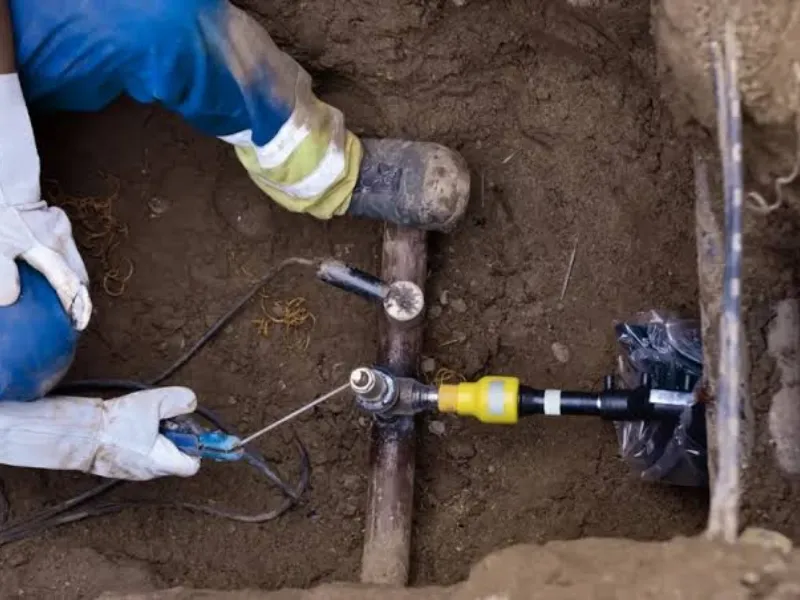
San Diego is a wonderful place to own a home, but the region's water supply and housing stock put unusual wear on residential plumbing. Most of our water travels hundreds of miles from the Colorado River and Northern California, picking up calcium and magnesium along the way. That makes it some of the hardest municipal water in the country. Pair that with decades-old galvanized steel and cast-iron pipes in neighborhoods like North Park, City Heights, and La Mesa, and you have the perfect conditions for the same handful of problems to appear again and again.
Below are the most common plumbing problems we see in San Diego homes, what causes them, how to recognize the warning signs, and which fixes actually last. We've also included a quick reference table and a prevention checklist you can act on today.
Why San Diego Plumbing Problems Are Different
Two things make plumbing in San Diego harder on pipes and fixtures than in most of the country:
- Very hard water. The City of San Diego reports tap water averaging about 16 to 18 grains per gallon (gpg). The U.S. Geological Survey classifies anything above 10.5 gpg as “very hard,” so our water sits well past that line. On-site tests across the county often read 16 to 25 gpg, with inland and East County communities on the higher end.
- Aging pipe materials. Many San Diego homes built before the 1980s still have galvanized steel supply lines or cast-iron drains. These materials corrode and scale from the inside, and they were never designed for today's water chemistry or modern water pressure.
Together, hard water and old pipes mean problems tend to start small, hide for years, and then fail suddenly. The good news is that almost every issue below is manageable once you know what to look for.
1. Hard Water Scale & Mineral Buildup
Hard water is the root cause behind a surprising number of San Diego plumbing problems. As water is heated or sits still, dissolved calcium and magnesium drop out of solution and bond to surfaces as a chalky deposit called scale or limescale.
What it looks like
- White or yellowish crust around faucets, aerators, and showerheads
- Cloudy dishes and water spots that return the day after you clean
- Soap that won't lather and a filmy feeling on skin and hair
- Gradually weakening water flow at fixtures farthest from the water main
How to fix it
Cleaning fixtures with vinegar helps the visible symptoms, but scale also builds inside your pipes and water heater, where you can't see or scrub it. The durable fix is to stop the minerals at the source with a whole-house water softener or conditioner, sized for San Diego's 16 to 25 gpg range. For homes already seeing restricted flow, professional descaling or trenchless pipe lining can restore capacity without tearing out walls.
Soak removable faucet aerators and showerheads in white vinegar overnight to dissolve mineral deposits. If the buildup returns within weeks, the problem is in your water, not your cleaning routine.
2. Low Water Pressure
Weak water pressure is one of the most common complaints we hear from San Diego homeowners, and the cause depends entirely on whether one fixture is affected or the whole house.
One fixture only
A single slow faucet or shower is usually a clogged aerator, a mineral-blocked shower cartridge, or a partially closed shutoff valve. Remove the aerator, clean it, and check the valve before anything else.
The whole house
When pressure drops everywhere, the culprit is often scale narrowing the interior of aging pipes, a failing pressure-reducing valve, or a problem with the supply line or main. If pressure falls whenever two fixtures run at once, that points to pipes that can no longer deliver enough volume.
- Pressure that has steadily dropped over months or years
- Rust-colored or metallic-tasting water
- Banging or rattling pipes when appliances run
These symptoms usually mean the supply lines themselves are failing. A licensed plumber can measure household pressure and determine whether a leak inspection or a repipe is the right call.
3. Drains That Keep Clogging
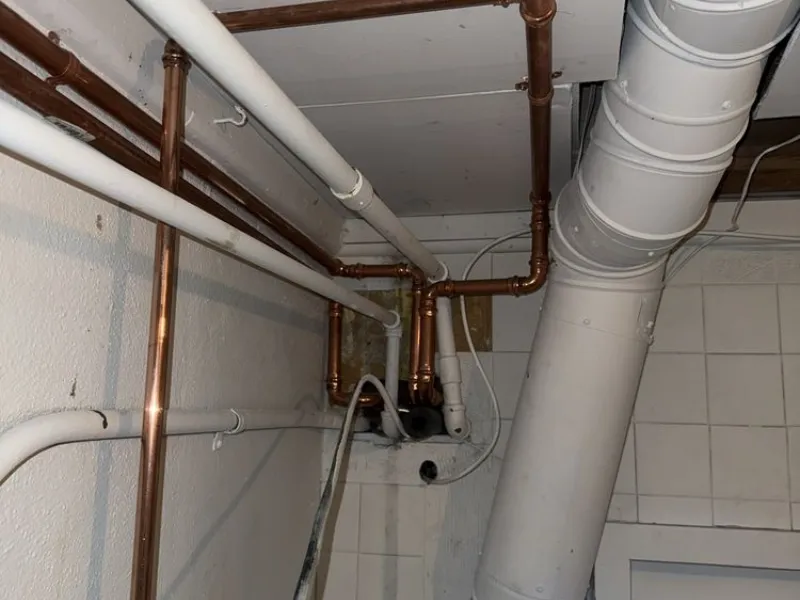
If you clear a drain and it slows down again within a few weeks, you don't just have a clog. You have the conditions that create clogs, and hard water is usually at the center of it.
Mineral scale roughens the inside of drain pipes. That rough surface grabs hair, soap scum, grease, and food particles, so debris that would normally wash through gets trapped and builds back up quickly. In older homes, cast-iron drains that have rusted and flaked create the same effect.
How to fix it
- Install mesh strainers in every shower and sink to catch hair before it enters the pipe.
- Never pour grease or cooking oil down the kitchen drain.
- Skip harsh chemical drain cleaners, which can damage pipes and rarely remove scale.
- Schedule professional drain cleaning to clear the pipe wall back to bare material.
For recurring clogs, hydro jetting uses high-pressure water to scour scale and debris from the full diameter of the pipe, which treats the cause rather than the latest symptom.
4. Leaky Faucets & Running Toilets
Dripping faucets and constantly running toilets are easy to dismiss because each one wastes only a little water. Together, they are one of the largest sources of hidden water waste in a home and a common reason water bills creep upward.
Faucets
Most faucet leaks come from a worn cartridge, washer, or O-ring, often accelerated by mineral buildup. A rebuild or faucet replacement is usually inexpensive and stops the drip for good.
Toilets
A running toilet is almost always a flapper or fill valve that no longer seals. It can waste hundreds of gallons a day without making a sound. Replacing the flapper takes minutes; if the tank or bowl is also leaking, a toilet repair or replacement is the better long-term choice.
Put a few drops of food coloring in the toilet tank and wait 15 minutes without flushing. If color appears in the bowl, the flapper is leaking and needs to be replaced.
5. Water Heater Failure
Your water heater takes the hardest hit from San Diego's hard water. When water is heated, dissolved minerals settle to the bottom of the tank as sediment. That layer of scale acts as insulation between the burner and the water, so the heater runs longer, uses more energy, and wears out sooner.
Nationwide, a tank water heater typically lasts 10 to 15 years. In San Diego, we commonly see them fail at 8 to 12 years, and hard water is the main reason. Tankless units aren't immune either: scale coats the heat exchanger and can trigger error codes if the unit isn't descaled regularly.
Warning signs your water heater is struggling
- Popping, rumbling, or banging sounds when it heats
- Hot water that runs out faster than it used to
- Rusty or cloudy hot water
- Moisture or rust around the base of the tank
How to fix it
An annual flush removes sediment before it hardens, and replacing the sacrificial anode rod every few years protects the tank from corrosion. If your unit is already noisy or near the end of its life, compare repair versus replacement with our guide to water heater repair and replacement signs.
Keep your water heater set to about 120°F. Higher temperatures make minerals precipitate out of the water faster, which speeds up sediment buildup.
6. Corroded Pipes & Pinhole Leaks
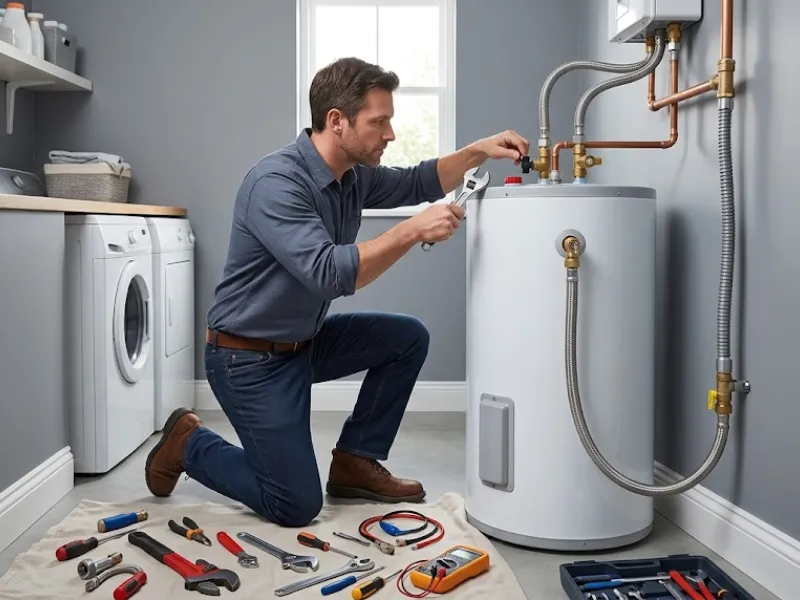
Older San Diego homes frequently still have galvanized steel supply pipes or original copper. Both eventually fail in ways that are easy to miss.
- Galvanized steel corrodes from the inside out. The internal diameter narrows as rust and scale build up, cutting pressure and eventually blocking or bursting the line. We regularly pull galvanized pipe so restricted that the opening has shrunk from roughly 3/4 inch to less than a quarter inch.
- Copper lasts longer, but hard water and decades of pressure changes cause pitting that turns into pinhole leaks. These often appear inside walls or under slabs, where they drip quietly for months.
How to fix it
A single pinhole leak can be repaired, but recurring leaks in different spots signal a system that is failing overall. In that case, a whole-home repipe with copper or PEX removes the problem instead of patching it one failure at a time. Our guide to preventing plumbing problems in older San Diego homes covers how to tell the difference.
7. Slab Leaks
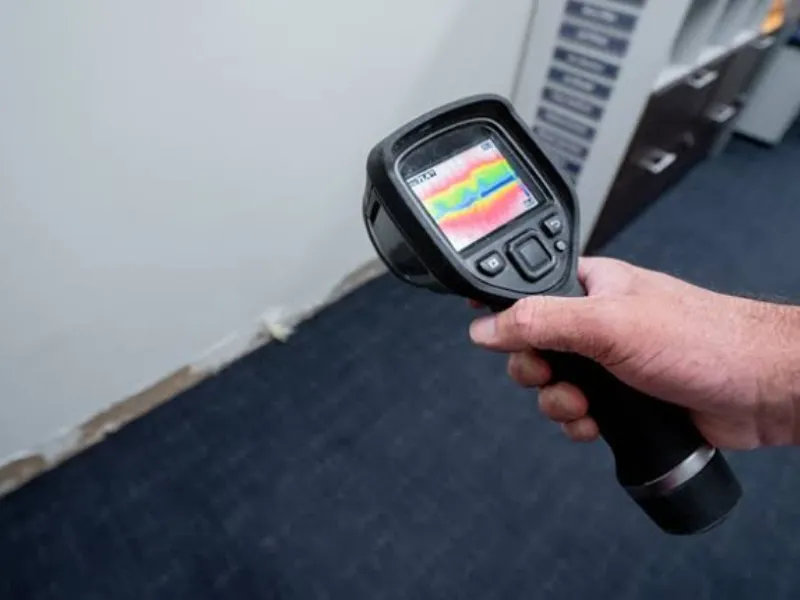
A slab leak is a water leak in the pipe that runs beneath your home's concrete foundation. Because the pipe is buried, the leak stays out of sight while water slowly undermines the slab and can reach flooring and walls.
Warning signs
- A sudden, unexplained jump in your water bill
- The sound of running water when every fixture is off
- Warm spots or unexplained moisture on the floor
- New cracks in flooring, tile, or drywall
- Mildew or damp odors near the base of walls
How to fix it
Never wait on a slab leak. Because the pipe is under concrete, accurate slab leak detection is the first step. Repair options range from rerouting the line through the attic or walls to a targeted repair or repipe, and a plumber can recommend the least invasive solution for your home.
Left alone, a slab leak can cause foundation damage, mold growth, and structural repairs that cost far more than the plumbing fix.
8. Tree Roots & Sewer Line Damage
San Diego's mature trees and landscaping are beautiful, but their roots are relentless. Roots seek out the moisture and nutrients inside a sewer line, slipping through tiny cracks and joints in older clay or cast-iron pipe. Once inside, they grow into a mass that catches waste and causes backups.
Warning signs
- Multiple slow drains, especially the lowest ones in the home
- Gurgling toilets after you use a sink or shower
- Foul sewer odors inside or around the yard
- Soggy patches or unusually green grass above the sewer line
- Sewage backing up into tubs or floor drains
How to fix it
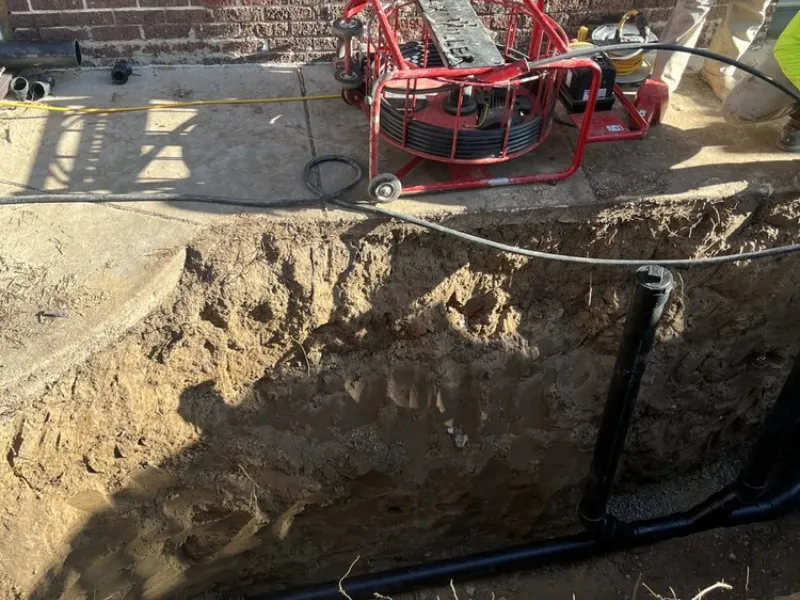
Because sewer lines are buried, guessing is expensive and unnecessary. A sewer camera inspection shows exactly what's inside the pipe, whether it's roots, scale, or a collapse. From there, a plumber can recommend root removal, hydro jetting, or a sewer line repair or trenchless replacement.
Repair It Yourself or Call a Plumber?
Some plumbing problems are safe and simple to handle on your own. Others risk water damage or code violations if they're done incorrectly. Use this quick reference to decide.
| Problem | Likely Cause | Best Fix | DIY or Pro? |
|---|---|---|---|
| Weak flow at one faucet | Clogged aerator or cartridge | Clean or replace the aerator | DIY |
| Low pressure house-wide | Scale, PRV failure, or aging pipes | Pressure test, descale, or repipe | Pro |
| Recurring drain clogs | Mineral scale or root intrusion | Hydro jetting or camera inspection | Pro |
| Dripping faucet | Worn cartridge or O-ring | Rebuild or replace the fixture | DIY / Pro |
| Running toilet | Leaking flapper or fill valve | Replace the flapper or valve | DIY |
| Noisy water heater | Sediment buildup | Annual flush, service, or replace | Pro |
| Rusty or discolored water | Corroded galvanized or copper pipe | Repipe affected lines | Pro |
| High water bill, no visible leak | Hidden leak or running toilet | Leak detection and repair | Pro |
| Warm floor spots or cracks | Slab leak | Slab leak detection and repair | Pro |
| Sewage backup or odors | Roots or damaged sewer line | Camera inspection and repair | Pro |
A Simple Prevention Checklist for San Diego Homes
Most of the problems above develop slowly. A little routine maintenance goes a long way toward avoiding emergency calls and costly water damage.
- Flush your water heater annually to clear sediment before it hardens.
- Test and replace toilet flappers at the first sign of a phantom flush.
- Use drain strainers in every shower and sink, and never pour grease down the drain.
- Clean faucet aerators a few times a year to remove mineral buildup.
- Consider a water softener to protect pipes, fixtures, and appliances from scale.
- Watch your water bill for unexplained increases, which often signal a hidden leak.
- Schedule a professional inspection every year or two, especially in homes built before 1980.
Frequently Asked Questions
Is San Diego water hard?
Yes. The City of San Diego reports tap water averaging about 16 to 18 grains per gallon, well above the 10.5 gpg threshold the USGS classifies as “very hard.” On-site tests across the county commonly read 16 to 25 gpg. Hardness is a plumbing and appliance issue rather than a health concern.
Why do water heaters fail early in San Diego?
Hard water leaves calcium and magnesium sediment at the bottom of a tank water heater. That sediment insulates the water from the burner, so the unit runs longer and wears out faster. Tank water heaters here commonly fail at 8 to 12 years instead of the 10 to 15 years typical in soft-water regions.
Should I repair my pipes or repipe my house?
A single leak is usually worth repairing. When leaks return, pressure is low throughout the home, or your pipes are galvanized steel or polybutylene, repiping is often the better investment because it removes the failing pipe instead of patching it. A licensed plumber can confirm which option fits your system.
How do I know if I have a slab leak?
Watch for a sudden spike in your water bill, the sound of running water when nothing is on, warm spots on the floor, new cracks, and damp baseboards. Slab leaks require professional detection because the pipe runs beneath your foundation.
Why do my drains keep clogging in San Diego?
Hard water leaves mineral scale inside drain pipes, and that rough surface traps hair, soap scum, grease, and food. That's why clogs return even after you clear them. Root intrusion in older sewer lines and deteriorating cast-iron pipe are two other common causes.
Dealing With a Plumbing Problem Right Now?
A&A Plumbing serves San Diego County with honest, upfront pricing and same-day service. We’ll diagnose the issue and explain your options before any work begins.
Call (619) 637-5215