How Hard Water Damages Your San Diego Plumbing System
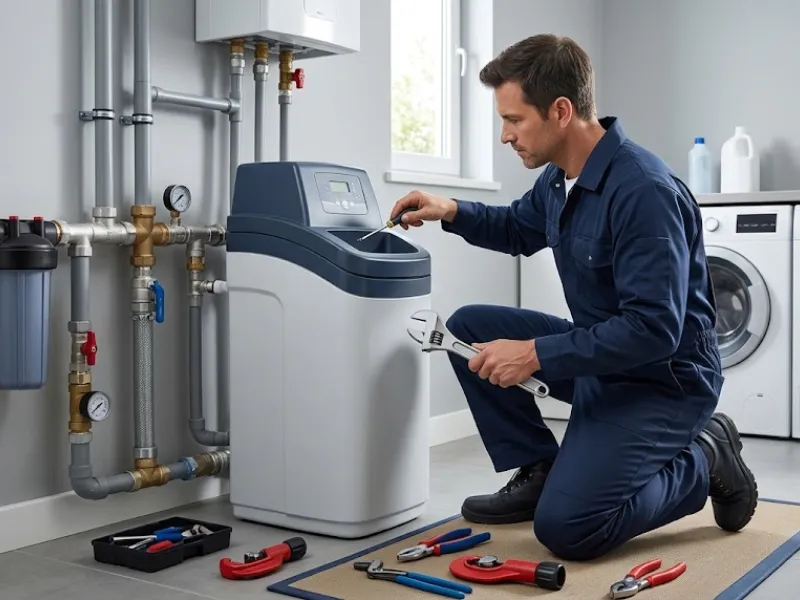
Most San Diego homeowners know our water is hard. What's easy to miss is that hardness is an active, ongoing attack on your pipes, water heater, fixtures, and appliances. The damage happens slowly and out of sight, and by the time it's obvious, the expensive part is already done.
This guide breaks down exactly how hard water damages a San Diego plumbing system, stage by stage, and then covers the fixes that genuinely stop it. If you want the broader symptom-by-symptom overview instead, start with our companion guide to common plumbing problems in San Diego homes or our look at San Diego water hardness effects.
Why San Diego Water Is So Hard
San Diego doesn't get much of its drinking water locally. The majority is imported from the Colorado River and the State Water Project in Northern California, and both sources pick up dissolved calcium and magnesium as they travel across desert and mountain rock. By the time that water reaches your meter, it is loaded with the minerals that cause scale.
The city reports tap water averaging roughly 16 to 18 grains per gallon (gpg), and county tests commonly read 16 to 25 gpg, with inland and East County communities often on the higher end. The U.S. Geological Survey classifies anything above 10.5 gpg as “very hard.” San Diego doesn't just cross that line, it clears it by a wide margin.
Hardness is not a health concern, which is why the water still meets every drinking standard. It is a plumbing and appliance problem, and that distinction matters: the minerals aren't dangerous to you, they're destructive to your system.
The Damage Chain Inside Your Pipes
Hard water damage follows a predictable chain. Each stage makes the next worse, which is why problems multiply the longer hard water runs through a system.
Scale narrows pipes and cuts pressure
When water is heated or simply sits in a pipe, calcium and magnesium drop out of solution and bond to the pipe wall as a chalky deposit called scale or limescale. Over months and years, that layer grows inward and shrinks the opening the water has to pass through. The result is the gradual pressure loss we discuss in our guide to low water pressure in San Diego homes: fixtures feel weaker, showers fade when someone starts the dishwasher, and the problem only gets worse with time.
Rough scale traps debris and causes repeat clogs
Fresh scale is rough. That texture acts like sandpaper on the inside of a drain or supply line, catching hair, soap scum, grease, and food particles that would otherwise wash through. This is why a drain you just cleared starts slowing down again within weeks: you removed the debris but left the sticky surface that causes it.
Minerals accelerate corrosion and pinhole leaks
Scale doesn't only block flow. The mineral chemistry at the pipe surface creates conditions that eat into metal, especially copper. Pitting corrosion starts as tiny imperfections in the pipe wall and grows into pinhole leaks that drip quietly inside walls, under slabs, or above ceilings for months. A single pinhole can be repaired, but when they start appearing in different places, the pipe itself is failing.
Galvanized steel scales fastest of all
Homes built before roughly 1980 often still have galvanized steel supply lines. This material is the worst case for hard water because it corrodes from the inside out while scale builds on the same surfaces. We regularly pull galvanized pipe so choked with rust and mineral that the opening has closed from about 3/4 inch down to less than a quarter inch.
- Minerals bond to pipe walls as scale.
- Scale narrows the pipe and drops your water pressure.
- Rough scale traps debris, so clogs keep returning.
- Mineral chemistry accelerates corrosion and pinhole leaks.
Water Heaters Take the Hardest Hit
Your water heater takes the hardest hit from hard water, because heating is exactly what forces minerals out of solution. In a tank unit, calcium and magnesium settle to the bottom as sediment and harden into a crust.
That crust is an insulator between the burner and the water, so the heater runs longer and burns more energy to reach the same temperature. The U.S. Department of Energy notes that as little as a quarter inch of scale can raise energy use by up to about 40 percent. The same sediment traps heat against the tank floor, accelerating corrosion and shortening the unit's life. Nationwide, a tank heater lasts 10 to 15 years, but in San Diego we commonly see them fail at 8 to 12 years.
Tankless units are not immune. Scale coats the heat exchanger, reduces efficiency, and can trigger error codes or shutdowns if the unit isn't descaled on schedule. Our water heater service team flushes and descales both tank and tankless systems as part of routine maintenance.
| Component | What Hard Water Does | Early Warning Sign | Long-Term Result |
|---|---|---|---|
| Supply pipes | Scale builds inward and narrows the bore | Falling water pressure | Reduced flow, then replacement |
| Drain pipes | Rough scale grabs debris | Clogs that keep returning | Repeat blockages and professional cleaning |
| Copper lines | Mineral chemistry drives pitting | Discolored water, damp spots | Pinhole leaks and water damage |
| Galvanized steel | Corrosion plus heavy scale inside | Brown water, weak pressure | Severely restricted or burst pipe |
| Tank water heater | Sediment insulates the burner | Popping or rumbling noise | Higher bills and failure at 8 to 12 years |
| Tankless heater | Scale coats the heat exchanger | Error codes, uneven hot water | Efficiency loss and early replacement |
| Faucets & showerheads | Mineral crust on outlets and cartridges | Spray that fans or dribbles | Repeated cartridges and fixture swaps |
| Appliances | Scale on heating elements and valves | Dishes spotted, clothes stiff | Dishwasher and washer wear out early |
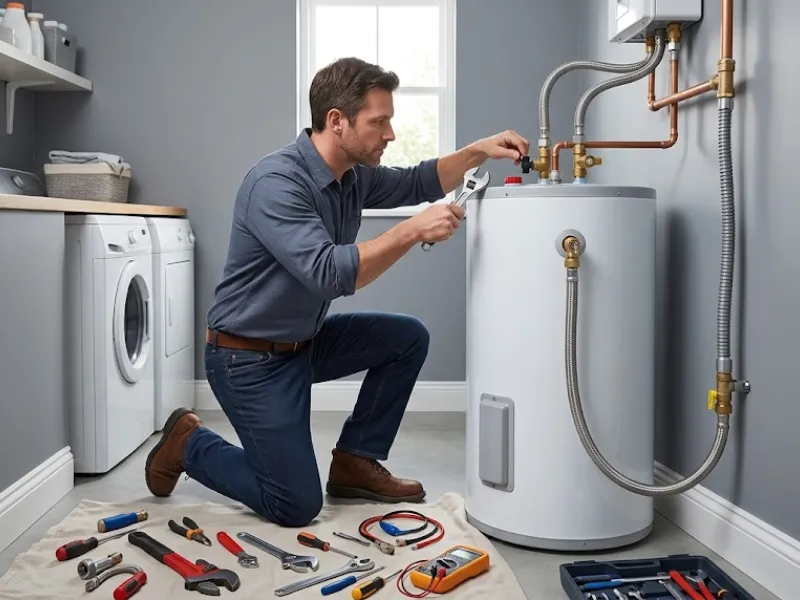
Fixtures and Appliances Wear Out Early
Pipes and water heaters are the hidden victims, but hard water also grinds down everything you touch. Faucet aerators and showerheads clog with mineral crust until the spray fans out or dribbles, and cartridges wear out faster because scale abrades the seals they rely on.
Appliances suffer the same way. Dishwasher heating elements coat with scale and lose efficiency, so dishes come out spotted and cloudy even after a full cycle. Washing machine valves clog and fail sooner, and clothes feel stiff because soap can't rinse cleanly in hard water. You also spend more on soap, shampoo, and detergent, since hard water needs more of each to lather.
Then there's the cosmetic toll: soap scum on glass and tile that resists scrubbing, water spots that return the day after you clean, and the dry, itchy skin and dull hair that come from minerals left behind on your body.
Signs Hard Water Damage Is Already Happening
Hard water damage rarely announces itself. Watch for these signals that scale and corrosion are already doing their work:
- Water pressure that has slowly dropped over months or years, especially at fixtures far from the main.
- Clogs that return quickly after you clear them.
- Rusty, brown, or metallic-tasting water, which points to corroding galvanized or copper pipe.
- Popping or rumbling from the water heater as sediment overheats beneath the water.
- Unexplained damp spots or a rising water bill, which can signal a pinhole leak hiding in a wall or slab.
If several are true at once, the minerals have been winning for a while. It's worth having a plumber assess the system before a pinhole leak or failed water heater becomes an emergency.
How to Stop Hard Water Damage
You can't change San Diego's water supply, but you can change what it does inside your home. These are the fixes that actually address the cause rather than the symptoms.
Install a whole-house water softener
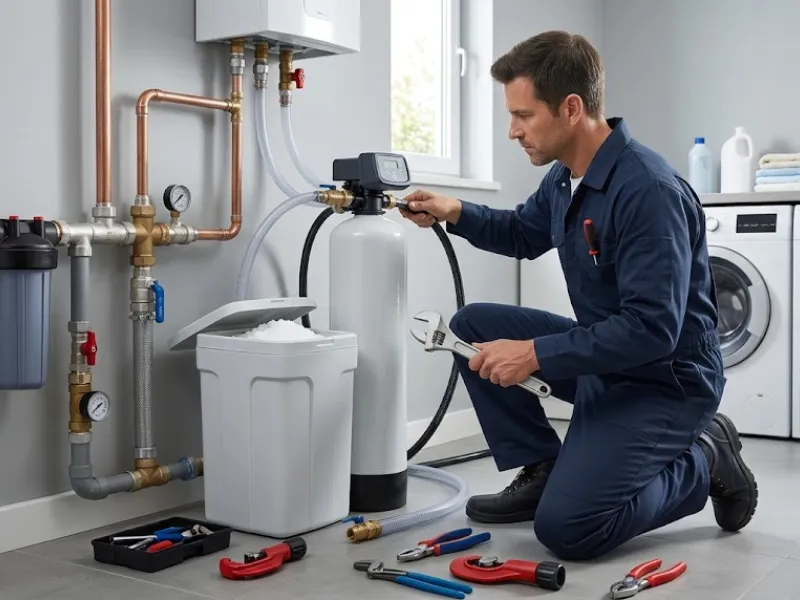
The most effective solution is a whole-house water softener installed on the main line, where it treats every gallon before it reaches a single pipe or appliance. A traditional ion-exchange softener removes the calcium and magnesium entirely, which stops scale from forming at all. Professionally installed, a system typically runs about $1,500 to $3,500 in San Diego depending on capacity and the plumbing work required.
Use salt-free or TAC conditioning where salt is restricted
Some San Diego-area sewer districts limit the brine that traditional softeners discharge. In those areas we install salt-free conditioners or template-assisted crystallization (TAC) systems, which alter how minerals behave so they don't stick to pipe walls without adding sodium to the drain.
Add reverse osmosis for drinking water
A softener adds a small amount of sodium and isn't meant to improve taste. A point-of-use reverse osmosis system at the kitchen tap handles drinking and cooking water separately, removing dissolved solids for cleaner taste and clearer ice.
Flush and descale the water heater every year
Even with a softener, annual maintenance matters. A yearly flush clears sediment before it hardens, and periodic descaling keeps tankless heat exchangers running efficiently. Replacing the anode rod every few years adds further protection against corrosion.
Repipe with PEX to leave scale behind
If your home still has galvanized steel or failing copper, softened water can't undo the damage already done inside those pipes. A whole-home repipe with PEX provides a smooth interior that resists scale and corrosion far better than metal, restoring full pressure and flow and giving your new softener a clean system to protect.
Soak removable faucet aerators and showerheads in white vinegar overnight to dissolve mineral crust. If the buildup comes back within a few weeks, the problem is your water, not your cleaning routine, and it's time to treat it at the source.
When to Call A&A Plumbing
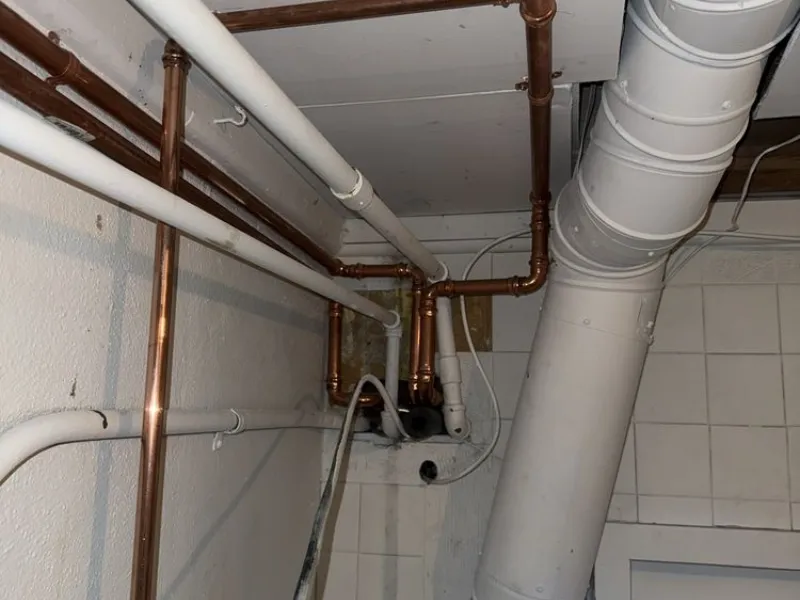
Hard water damage is cheapest to stop early. Call us if your pressure has been dropping, your water heater is noisy or slow to recover, you're seeing rust-colored water, or clogs keep coming back. We serve San Diego County with honest, upfront pricing, and we'll diagnose the issue and explain your options before any work begins.
We can test your water, size the right softener or conditioner for your home and sewer district, flush or descale your water heater, and assess whether a repipe makes sense if your existing pipes are already choked with scale. Reach us at (619) 637-5215, Monday through Saturday, 7:00 AM to 11:30 PM.
Frequently Asked Questions
How hard is San Diego's water?
The city supply averages about 16 to 18 grains per gallon, and county tests commonly read 16 to 25 gpg. The USGS classifies water above 10.5 gpg as “very hard,” and our imported supply sits well past that line.
Does hard water really damage pipes?
Yes. Calcium and magnesium precipitate out as scale that coats the inside of pipes, narrowing flow and roughening the wall. That roughness traps debris so clogs keep returning, and the mineral chemistry accelerates corrosion that leads to pinhole leaks.
How much does a whole-house water softener cost in San Diego?
A professionally installed whole-house softener typically runs about $1,500 to $3,500 depending on capacity, salt versus salt-free technology, and the plumbing changes needed. Homes in sewer districts that restrict brine discharge can use a salt-free or TAC conditioner.
Can hard water make my water heater fail early?
Yes. Heated water causes minerals to settle as sediment, and the U.S. Department of Energy notes that as little as a quarter inch of scale can raise energy use by up to about 40 percent. San Diego tank heaters commonly fail at 8 to 12 years instead of 10 to 15.
Does a water softener help if my sewer district restricts salt?
It can. Some San Diego-area districts limit brine discharge from traditional ion-exchange units. In those areas we install salt-free conditioners or TAC systems that change how minerals behave without adding sodium to the waste stream, with a reverse osmosis unit at the tap.
Protect Your Plumbing From Hard Water
A&A Plumbing serves San Diego County with honest, upfront pricing and same-day service. We’ll test your water, size the right softener, and stop hard water damage before it costs you a repipe.
Call (619) 637-5215