Why Is My Water Bill Suddenly So High? Hidden Plumbing Leaks to Check

The bill arrives and the number is nowhere near what you expected. Same family, same routines, same lawn, yet the city is charging you for water that nobody can see being used. In San Diego, a sudden spike almost always has a physical cause: a leak somewhere in your plumbing quietly running 24 hours a day. Because most of these leaks are small and silent, the bill is frequently the very first clue that anything is wrong.
The good news is that you can track down the most likely culprits yourself in about half an hour, using nothing more than a bottle of food coloring and your water meter. This guide walks through the tests in order, explains the hidden leaks that most often drive up bills in San Diego County, and shows when it is time to bring in professional detection equipment.
A Higher Bill Is a Clue, Not a Mystery
Your water meter measures volume, not time. Every gallon that passes through it is billed, whether it ends up in a glass, on your lawn, or in the soil under your foundation. When usage climbs without a matching change in your habits, water is escaping somewhere between the main and the drain.
San Diego also uses tiered water rates, which means the more you use, the more each additional gallon costs. That structure turns a small, constant leak into a bigger bill than most homeowners expect. A toilet that runs nonstop can move 200 gallons or more per day; across a two-month billing cycle, that is more than 12,000 gallons billed at some of the highest rates on your statement.
Before you assume the utility made an error, check your bill against the same month last year. A steady, unexplained increase over one cycle usually points to a leak that started recently. From there, work through the tests below in order, starting with the simplest and most common cause.
Leaks do not get cheaper with time. The water keeps running, the bill keeps climbing, and the moisture keeps working on drywall, wood, and concrete. Finding the source early is almost always the least expensive outcome.
Start With the Most Common Culprit: Your Toilet
If we could inspect only one thing in a home with a high water bill, it would be the toilets. A leaking flapper or fill valve is the single most common cause of a surprise spike, and it is also the easiest to overlook because the toilet looks and sounds completely normal. The water slips from the tank into the bowl through a worn rubber seal, so there is no puddle, no drip, and often no audible running sound.
Older toilets in neighborhoods like North Park, City Heights, and La Mesa are prime candidates. Chlorine, minerals, and simple age harden the flapper until it stops sealing, and the fill valve quietly tops the tank back up again and again.
The dye test
This takes 15 minutes and costs nothing. Put a few drops of food coloring, or a dye tablet, into the toilet tank. Do not flush. Wait at least 15 minutes, then look in the bowl. If color has appeared in the bowl water, the flapper is leaking and needs to be replaced. Test every toilet in the house, because more than one can be failing at the same time.
Add food coloring to the tank and wait 15 minutes without flushing. Color in the bowl means the flapper is leaking. A replacement flapper is inexpensive and installs in minutes, but if the tank or bowl also leaks, a toilet repair or replacement is the better long-term fix.
Toilets are not the only fixtures that waste water silently. A dripping faucet or a shower valve that never fully closes adds up too, and both are covered in the hidden leaks section below.
The 30-Minute Water Meter Test
If the toilets pass the dye test, the next step is to ask the water meter itself whether anything in the system is leaking. The meter is the referee: it will move if water is leaving the system, even when you cannot see where. This test takes 30 to 60 minutes, and you do not need any special tools.
How to run the test
- Shut off every fixture and appliance that uses water: faucets, showers, toilets, the washing machine, the dishwasher, the ice maker, and any outdoor spigots.
- Find your water meter, usually in a concrete box near the curb or sidewalk, and lift the lid carefully.
- Note the current reading exactly. If your meter has a low-flow indicator, such as a small triangle or dial, watch it as well.
- Wait 30 to 60 minutes without using any water anywhere in the home.
- Read the meter again. If the reading changed, or the low-flow indicator turned, water is moving and you have a leak on the system.
Isolate the leak: inside or outside?
A moving meter tells you that you have a leak, but not where. To narrow it down, close the main shutoff valve where the water enters the house. If the meter stops moving with the main closed, the leak is inside the house. If it keeps moving, the leak is outside, between the meter and the house, which usually means an irrigation line or a pool.
If you have a separate irrigation shutoff valve, close it on its own and repeat the test. A meter that stops only after the irrigation valve is closed points to a sprinkler or drip system leak. This one extra step saves a lot of guesswork before anyone starts opening walls.
A meter that keeps turning with every fixture and appliance off means the leak is on a pressurized line, and those lines do not heal. Keep the main valve off until a plumber can find and repair the source to limit water damage.
Leaks Outside the House
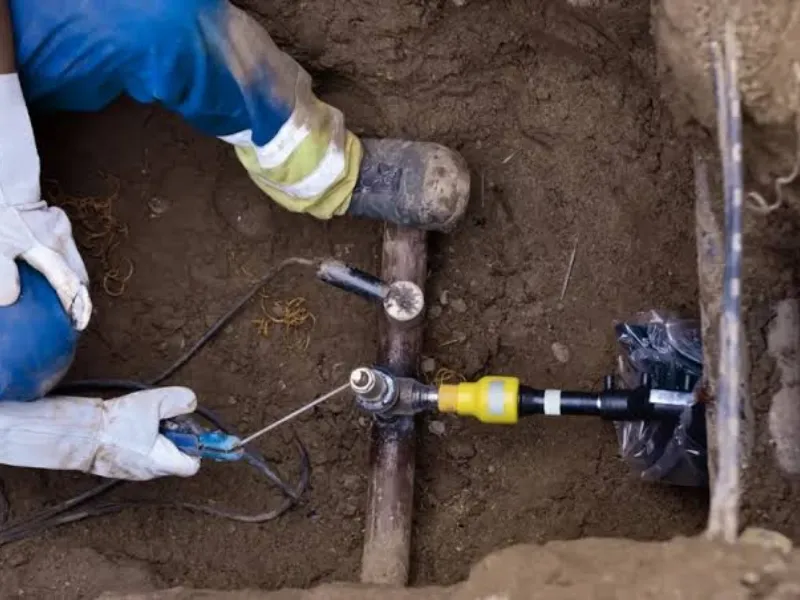
If closing the main valve stopped the meter but closing the irrigation valve did not, the leak is on the outdoor side of your system. Outdoor leaks are common in San Diego because irrigation runs year-round in many yards, and because the Southwest's dry soil and hot sun age valves, drip tubing, and hose bibs faster than expected.
- Irrigation valves. A solenoid valve that fails to seat closes will continue watering a zone even when the controller is off. This is one of the most common causes of a high bill that has nothing to do with the house.
- Drip lines and emitters. Cracked drip tubing and popped emitters leak steadily under mulch, where the moisture never reaches the surface.
- Pool auto-fill. An automatic filler with a stuck float valves keeps adding water to a pool that is losing it through an unnoticed leak. A pool that needs constant topping off is the tell.
- Hose bibs and main line. The connection between the meter and the house, plus every outdoor spigot, can develop leaks that are easy to miss in a landscaped yard.
Signs of an outdoor leak include soggy patches that never dry, a section of lawn that is far greener than the rest, eroded soil around a valve box, and the smell of wet earth where there should be none. If the ground stays wet when the irrigation system has been off for days, call a plumber for water leak detection and repair.
When to Call a Leak Detection Pro
Some leaks announce themselves clearly, but many stay hidden until the bill gives them away. The signal that you need professional help is simple: the meter still moves with every fixture and appliance shut off, and you cannot find the source on your own. At that point, guessing stops being useful, because the leak may be inside a wall, under the slab, or underground.
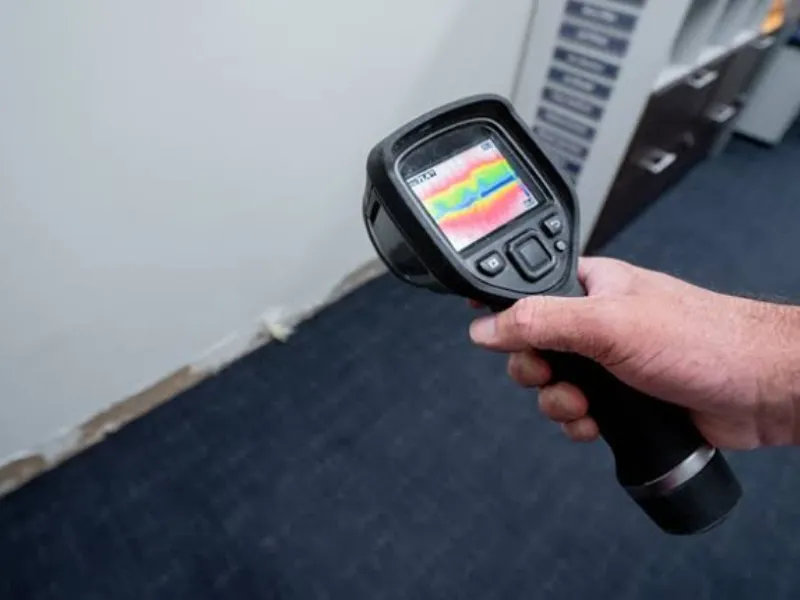
Professional leak detection locates the problem without demolition. A trained technician uses a combination of tools:
- Acoustic listening. Sensitive microphones pick up the sound of water escaping a pressurized pipe through concrete and drywall.
- Thermal imaging. Infrared cameras reveal temperature differences caused by a hot-water leak or the cooling effect of an escaping stream.
- Pressure testing. Isolating sections of the system confirms which line is losing pressure and rules out false alarms.
Finding the leak precisely means the repair can be targeted: one small opening instead of exploratory damage across a wall or floor. For leaks under the slab, our slab leak service explains how detection and repair work together. If a hidden leak has already soaked drywall or flooring, quick action also limits the mold and structural damage that follow.
Water damage, mold growth, and foundation movement cost far more than the plumbing repair itself. If you hear running water when nothing is on, or you find warm floor spots and damp baseboards, schedule a leak inspection right away.
How to Prevent the Next Surprise Bill
Most hidden leaks build up slowly, so a short routine keeps them from reaching your wallet. A few of these checks take seconds and catch problems before they spread.
- Dye-test your toilets twice a year, and replace a flapper at the first sign of a ghost flush.
- Run the meter test once a quarter, especially before and after irrigation season.
- Fix drips promptly. A faucet that drips today is a valve that fails later.
- Replace old supply lines behind appliances with braided stainless steel.
- Check your water softener schedule so regeneration matches your real water use.
- Inspect outdoor valves and drip lines each spring, and repair leaks at hose bibs and valve boxes.
- Watch your bill month to month. A steady rise is the cheapest leak alarm you will ever own.
For a broader look at the issues that drive up costs in our region, see our post on common plumbing problems in San Diego homes, and for a deeper dive into silent leaks, read how to spot a hidden water leak in your San Diego home. If you have already found dampness or heard water running, call A&A Plumbing at (619) 637-5215 or reach us through our contact page before the damage spreads.
Frequently Asked Questions
What is the most common cause of a suddenly high water bill?
A leaking toilet flapper or fill valve is the most common cause. A worn flapper lets tank water trickle into the bowl continuously, wasting hundreds of gallons a day without any sound. Add food coloring to the tank and wait 15 minutes; if color reaches the bowl, the flapper is leaking.
How do I check my water meter for a hidden leak?
Shut off every fixture and water-using appliance, then note your meter reading. Wait 30 to 60 minutes without using water and read it again. If the reading moved, you have a leak. Close the main valve or the irrigation valve to determine whether the leak is inside the house or outside in the yard.
Can a small leak really raise my water bill that much?
Yes. San Diego bills water on a tiered rate, so extra usage is charged at higher rates. A single running toilet can waste 200 gallons or more per day, and that adds up fast across a billing cycle. A leak that runs around the clock often costs more than the repair to stop it.
How do I know if the leak is inside or outside my house?
During the meter test, close the main shutoff valve. If the meter stops, the leak is inside the house. If it keeps moving, the leak is between the meter and the house, which usually means irrigation, drip lines, or a pool auto-fill. Soggy yard patches and too-green grass point outdoors.
When should I call a plumber for a high water bill?
Call a licensed plumber when the meter still moves with everything off and you cannot find the cause. Professional leak detection uses acoustic listening, thermal imaging, and pressure testing to locate hidden leaks in walls, slabs, and underground lines without tearing your home apart.
Hearing Water Run When Nothing Is On?
A&A Plumbing serves San Diego County with honest, upfront pricing and same-day service, including professional leak detection that finds the source without unnecessary demolition. We’ll locate the leak and explain your options before any work begins.
Call (619) 637-5215