Slab Leak Warning Signs San Diego Homeowners Should Know
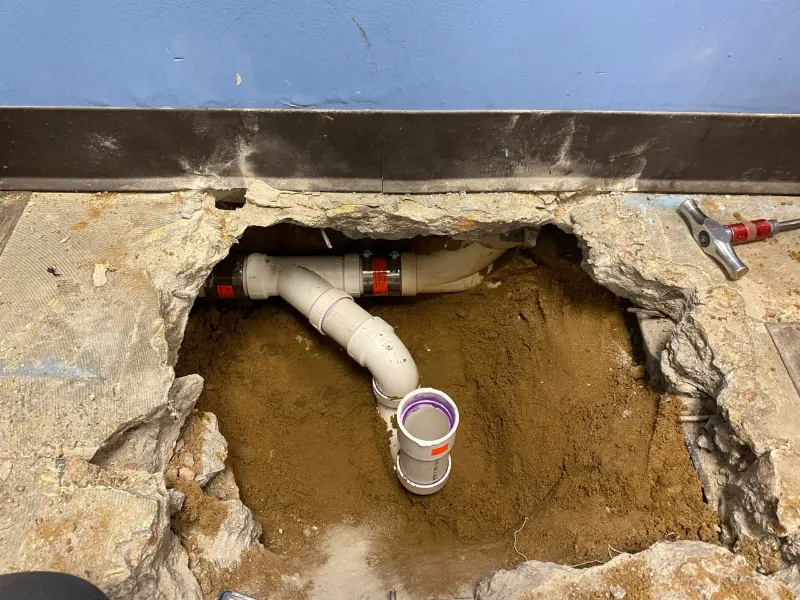
A slab leak is one of the few plumbing problems that can threaten both your wallet and your home's structure at once. Instead of dripping into a cabinet or wall where you can see it, the water escapes from a pipe buried beneath your concrete foundation and quietly soaks into the soil below. By the time most San Diego homeowners notice something is wrong, it has often been running for weeks or months.
The good news is that slab leaks rarely strike without warning. They send signals first: a water bill that won't stop climbing, a floor that feels warm underfoot, or the faint hiss of running water in a silent house. Knowing what those signals mean lets you act while the fix is still a plumbing job. Below we cover what a slab leak is, the signs to watch for, why San Diego's soil and water make them common, how they're detected, and the repair options available.
What Is a Slab Leak?
A slab leak is a leak in a water pipe that runs beneath your home's concrete foundation, known as the slab. In many San Diego homes, the main water line and the lines feeding kitchens, bathrooms, and laundry rooms run through or under the slab rather than the attic or walls. When one develops a crack, a pinhole, or a failed joint, pressurized water begins escaping into the ground under your house.
Because the leak is buried, there is no puddle to step in and no dripping from a visible pipe. Water instead travels through the soil, following the path of least resistance. It can surface as a damp patch on flooring, wick into drywall and baseboards, or drain away underground while eroding the soil that supports your foundation. There are two basic types: a hot-water slab leak, which tends to warm the floor, and a cold-water leak, usually found through water bills or moisture instead.
That does not mean your home was poorly built. It usually means the pipe under it has reached the end of its useful life, or that something in the soil or water accelerated the damage. Our dedicated slab leak service uses specialized tools to locate and fix these leaks without unnecessary demolition.
Warning Signs of a Slab Leak in San Diego Homes
Slab leaks rarely announce themselves loudly. Most early signs are subtle and easy to blame on something else, which is exactly why they cause so much damage. Watch for the following, and treat two or more appearing together as a strong reason to call for an inspection.
- A sudden spike in your water bill with no change in usage
- The sound of running water when every fixture is turned off
- Warm spots on the floor, a common sign of a hot-water line leak
- New cracks in flooring, tile, or drywall
- Damp, soft, warped, or cupping flooring
- A persistent mildew or musty smell near the floor or base of walls
- Baseboards that are buckling, stained, or pulling away from the wall
- Your water meter keeps moving with all fixtures off
A quick test you can run tonight
Of all the clues, an unexplained jump in your water bill is the most reliable, and San Diego's tiered rates move you into a pricier bracket fast. To confirm a leak, turn off every faucet, appliance, and irrigation valve, then listen near the lowest floor and your water meter. A steady rushing or hissing sound with nothing running points to a pressurized-line leak, and a meter that keeps spinning confirms it. The test will not locate the leak, but it tells you it is worth investigating.
What Causes Slab Leaks in San Diego
A few local conditions make San Diego homes especially prone to slab leaks, and the cause often shapes which repair makes the most sense.
Hard water corrosion
San Diego's water is very hard, carrying high levels of dissolved calcium and magnesium. That chemistry slowly eats at copper pipe from the inside, creating the tiny pits that grow into pinhole leaks and, eventually, a steady leak under the slab.
Expansive clay soil and ground movement
Much of San Diego County sits on expansive clay soils that swell when wet and shrink when dry. Coastal humidity and seasonal wet-dry cycles keep that soil moving and stressing the pipes within it. Abrasive particles grind the pipe thin, while shifting ground can crack it outright — especially on hillsides and in older inland neighborhoods.
Aging pipes
Older San Diego homes were built with galvanized steel or original copper supply lines that were never meant to last forever. Galvanized steel corrodes from the inside, while decades-old copper simply reaches the end of its service life. Homes built before the 1980s are the most likely to be living on borrowed time.
High water pressure
Water pressure that runs too high pushes constantly against every joint and fitting, accelerating wear and making existing weak spots fail sooner. A failing pressure-reducing valve is a common culprit and easy for a plumber to check.
Why You Should Never Wait on a Slab Leak
A slab leak will not seal itself or slow down on its own. As long as the line is pressurized, water keeps flowing into the soil beneath your home, eroding the ground that supports the slab and creating voids that let the foundation settle, shift, and crack. Once structural movement starts, the repairs are no longer plumbing repairs.
That water also has to go somewhere. It wicks into flooring and drywall, feeding mold that hurts indoor air quality and is costly to remediate. Left long enough, a small pipe leak becomes a combined plumbing, flooring, and foundation project.
Every day a slab leak runs, it erodes more soil and pushes more moisture into your home. Catching it early keeps the fix small and protects your foundation.
How Slab Leaks Are Detected
Because the pipe is buried, finding a slab leak is not something you can do by looking. Professional detection combines several tools so the exact location is known before any concrete is touched — the same approach we use in our water leak detection and repair service.
Acoustic listening equipment
Leaks make noise. Sensitive microphones placed on the floor pick up the sound of pressurized water escaping the pipe and help narrow its location to a small area.
Thermal imaging
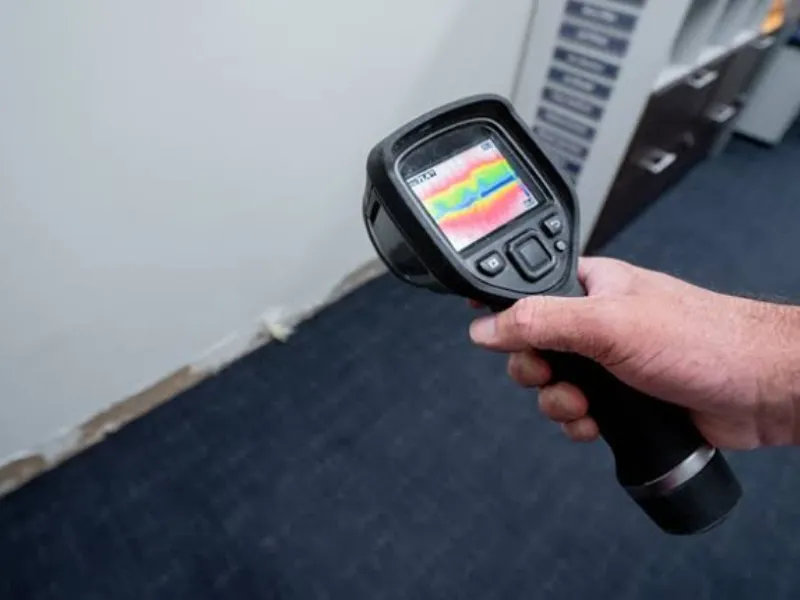
Infrared cameras reveal temperature differences under the floor. A hot-water leak shows as a warm signature, a cold-water leak as a cooler, damp patch. It is fast and non-invasive, and very effective for hot-water lines.
Pressure testing
By isolating sections of the system and watching how pressure holds, a plumber can confirm there is a leak and which branch it belongs to, separating a true slab leak from a fixture or irrigation problem.
Electronic leak detection
Electronic instruments pick up the signal of water moving underground and trace the path of a pipe through the slab, letting us mark the leak precisely enough for a targeted repair instead of a guess.
The goal is the same in every case: locate the leak before anyone digs, so the right spot is hit the first time.

Repair Options Explained
Once the leak is located, the right repair depends on the pipe's condition, the layout of your home, and how much of the plumbing is already worn. A licensed plumber should walk you through the options and trade-offs first.
Spot repair
A spot repair opens the slab at the leak, replaces the damaged pipe section, and patches the concrete. It is the most direct and often most economical option when the pipe is otherwise healthy, but it addresses only the leak you found.
Reroute the line
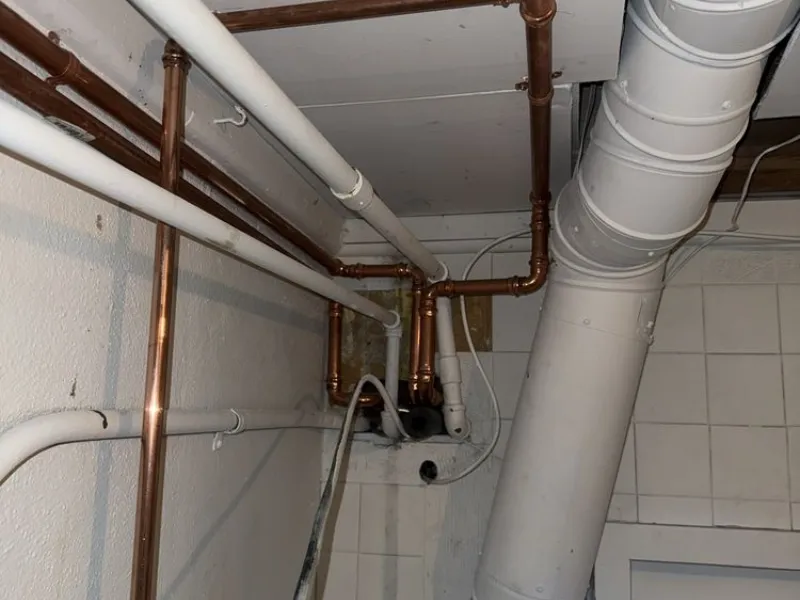
When breaking into the slab is not ideal, the line can be rerouted through the attic or walls and reconnected to the fixtures above. This avoids concrete work and gets the pipe out of the corrosive soil — often the smarter long-term move for a single failing line.
Repipe
If your home has multiple leaks, low pressure, or widespread aging pipe, a whole-home repipe replaces the failing supply lines with modern copper or PEX. It is a bigger project, but it removes the underlying problem instead of patching it one failure at a time, and trenchless methods can reduce disruption.
In every case, accurate detection comes first. Repairing the wrong spot is the most expensive mistake a homeowner can make with a slab leak.
Slab Leak vs. Other Leaks
Not every leak under or near your home is a slab leak, and the fix depends on the source. This quick reference helps you tell them apart. For a high bill with no visible water, our guides to hidden water leaks and high water bills from hidden leaks can help.
| Leak Type | Typical Clue | Location | Best Fix |
|---|---|---|---|
| Slab leak | Warm floor, rising bill, running-water sound | Under the concrete slab | Detection, then spot repair, reroute, or repipe |
| Fixture leak | Drip, puddle under a sink or toilet | Visible at the fixture | Repair or replace the fixture |
| Water heater leak | Moisture or rust at the tank base | At the water heater | Service or replace the unit |
| Irrigation leak | Soggy yard, unusually green patch | Outdoors in the yard | Locate and repair the line |
| Sewer leak | Sewage odor, backups, soggy patch | Sewer line underground | Camera inspection and sewer repair |
Preventing Future Slab Leaks
You cannot control the age of your pipes, but you can reduce the conditions that shorten their life.
- Monitor your water bill. A sudden increase is the earliest, cheapest warning you will get, which is why our guide to high water bills starts with tracking usage.
- Schedule an annual plumbing inspection. A plumber can check pressure, catch early corrosion, and spot the small issues that grow into slab leaks.
- Install a water softener. Reducing hard-water minerals slows the corrosion that creates pinhole leaks, as explained in our water softener service.
- Keep water pressure sane. Have your pressure-reducing valve checked so the system is not constantly stressed.
- Address small leaks promptly. A pinhole today is a slab leak tomorrow; early repair is almost always cheaper.
- Know the signs. Warm floors, running-water sounds, and new cracks are your cue to call.
If your home has already had more than one leak, or it was built with galvanized or original copper pipe, ask about a repipe during your inspection — it is often the difference between chasing leaks for years and putting the problem behind you. For a broader look, see our post on common plumbing problems in San Diego homes, and for budgeting, our guide to how much plumbing repair costs.
Frequently Asked Questions
What are the first signs of a slab leak?
The earliest signs are a sudden water-bill spike, the faint sound of running water when every fixture is off, and a meter that keeps moving with nothing running. Warm floor spots point to a hot-water leak; damp flooring, buckling baseboards, and new cracks appear as it continues.
Is a warm spot on the floor always a slab leak?
Not always, but it is one of the most reliable clues. A warm spot that stays warm with no heating on usually means a hot-water line is leaking beneath the slab. Confirm it with professional detection rather than guessing.
Will a slab leak fix itself or go away?
A slab leak never heals on its own. Pressurized water keeps escaping and eroding the soil beneath your foundation, leading to settlement, foundation damage, and mold. Ignoring it almost always makes the repair larger and costlier.
Does homeowners insurance cover slab leak repair?
Coverage varies. Many policies pay for resulting water damage and access to the leak, but not always for repairing the pipe itself. Because the pipe sits under the foundation, you may need to break through concrete, which is why accurate detection matters.
How long does slab leak repair take in San Diego?
A targeted spot repair or a reroute through the attic or walls can often be finished in a day, while a full repipe may take several days depending on the size of the home. During your inspection, A&A Plumbing will explain the least invasive option and timeline first.
Think You Have a Slab Leak?
A&A Plumbing serves San Diego County with accurate leak detection and honest, upfront pricing. We’ll find the leak and explain your options before any work begins.
Call (619) 637-5215