Hydro Jetting vs. Traditional Drain Cleaning: Which Should You Choose?
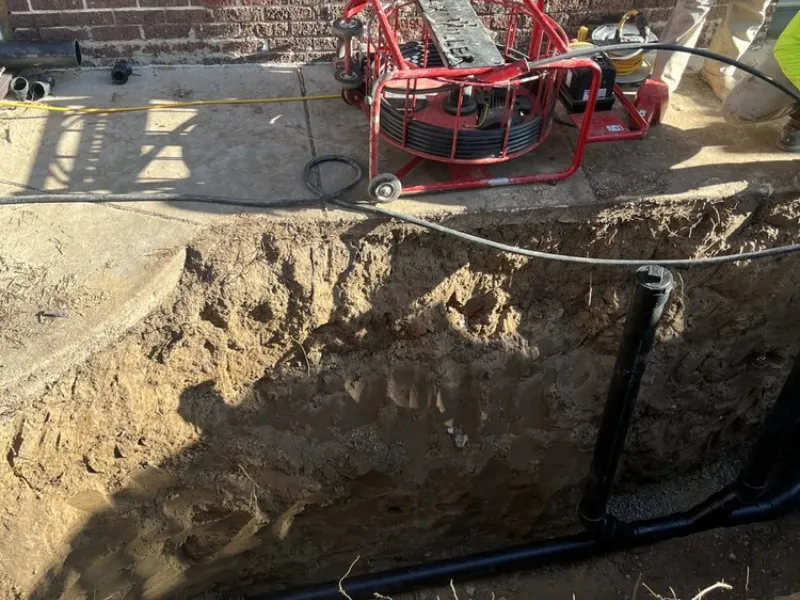
Few homeowner decisions feel more routine than clearing a clogged drain — until the same drain backs up again a few weeks later. That is usually the moment San Diego homeowners start hearing the phrase “hydro jetting” and wonder whether it is genuinely different from the drain snaking they have had done before. The short answer is yes, they are different, and the difference matters. A snake reopens a drain. Hydro jetting restores it.
Both methods have a place, and a good plumber keeps both on the truck. The trick is knowing which one your line actually needs. Choose correctly and you pay once for a lasting fix. Choose the wrong tool for the wrong pipe, and you can end up with repeat service calls, a return clog, or — in the worst case — a damaged drain line. Here is how each method works, when to use it, and how San Diego's hard water tips the decision.
Why One Tool Doesn't Fit Every Drain
It helps to think about what is actually blocking the pipe. A drain clog is rarely just a single solid lump. In most homes it is a mix of grease, soap scum, hair, food particles, mineral scale, and sometimes tree roots, all packed against the inside of the pipe wall. The two cleaning methods attack that material in completely different ways.
- Traditional drain cleaning uses a mechanical steel cable to bore a passage through the blockage. It restores flow quickly and costs less, but it does not clean the pipe wall.
- Hydro jetting uses a focused stream of high-pressure water to scour the entire interior surface of the pipe, washing away buildup instead of punching a hole through it.
That single distinction — bore versus scour — explains almost every practical difference between the two methods, including which clogs come back and which stay gone.
Traditional Drain Cleaning: How a Snake or Auger Works
A drain snake, also called a cable or auger, is a flexible steel cable that is fed into the drain and rotated until it reaches the clog. A cutting head at the tip breaks up or grabs the blockage, and the cable is pulled back out. For a stubborn blockage, a plumber may use a larger drum machine with a heavier cable and a sharper cutter.
What a snake does well
- It reopens a blocked drain fast, often in a matter of minutes.
- It is the most affordable way to handle a simple, one-time clog.
- It can retrieve material such as a wad of hair and, to a degree, cut through shallow roots.
- It works through most accessible cleanouts and drain openings without special water supply needs.
The limitation
Here is the catch. A snake only clears a channel roughly the width of the cutting head. The rest of the pipe stays coated with grease, soap scum, and mineral scale. Over time that residue hardens, narrows the pipe again, and gives new debris something to grab onto. That is why a drain you snaked in the spring can be backing up again by summer. A snake treats the clog. It does not treat the pipe.
Hydro Jetting: How High-Pressure Water Cleans a Pipe
Hydro jetting does not cut a hole through a clog — it washes the whole pipe clean. A specialized hose with a nozzle at the tip is fed into the drain while a machine pushes water through it at high pressure, commonly up to about 3,500 to 4,000 psi. The nozzle blasts water backward and forward in a 360-degree pattern, scouring the full diameter of the pipe wall and flushing the loosened debris downstream.
What hydro jetting removes
- Grease and cooking oil that has hardened onto kitchen drain walls
- Soap scum and biofilm that build up in bathroom and laundry lines
- Mineral scale left behind by San Diego's very hard water
- Sand, silt, and grit that settle in low spots and trap other debris
- Tree roots, which can be cut and flushed out, especially after root cutting
Because it cleans the entire pipe rather than punching through one spot, hydro jetting is the stronger choice for recurring clogs, grease-heavy kitchen lines, root intrusion, and any line that needs to be prepped for a sewer camera inspection or pipe lining. A camera cannot see through a dirty pipe, and lining requires a clean, bare wall to bond to. The trade-off is that hydro jetting uses more water and specialized equipment, so it costs more than a basic cable cleaning.
Hydro jetting pairs best with a camera inspection. The camera confirms the pipe's condition and material before jetting, then verifies afterward that the line is truly clean — not just flowing.
Hydro Jetting vs. Snaking Side by Side
No single method wins every situation. Use this comparison to see how a traditional snake and hydro jetting stack up on the factors that actually matter.
| Method | How It Works | Best For | Removes Scale? | Root Capability | Risk | Cost Level |
|---|---|---|---|---|---|---|
| Traditional snake / auger | Rotating steel cable bores a channel through the clog | Simple, one-time blockages and quick flow restoration | No — leaves grease and scale on the wall | Limited — cuts a path but may not clear the mass | Low on sound pipes; can damage fragile lines | Lowest |
| Hydro jetting | High-pressure water (about 3,500–4,000 psi) scours the full pipe wall | Recurring clogs, grease-heavy lines, roots, pre-lining prep | Yes — flushes scale, grease, and debris away | Strong — cuts and flushes roots when paired with a cutter | Can worsen cracks in old or damaged pipe without a camera first | Higher |
If you read only one row, read the “Removes Scale?” column. Scale is the reason most San Diego clogs return, and it is the one thing a snake cannot fix.
Why San Diego Hard Water Makes Clogs Return
San Diego's water is among the hardest in the country, averaging roughly 16 to 18 grains per gallon. As that water sits and is heated, dissolved calcium and magnesium settle out as mineral scale, coating the inside of drain and sewer pipes with a rough, chalky layer. That rough surface is a trap. Hair, soap scum, grease, and food particles catch on it instead of washing through, and a clog rebuilds on the same spot.
This is exactly why a drain that was snaked last month clogs again this month. The snake cleared the debris but left the scale, and the scale is the underlying problem. For recurring clogs in a hard-water city, hydro jetting usually wins because it removes the scale layer along with everything stuck to it. Our guide to why drains keep clogging covers this cycle in more detail.
A whole-house water softener addresses scale at the source, protecting supply lines, fixtures, and appliances. It does not replace drain cleaning, but it slows how quickly scale builds back up.
When Hydro Jetting Is the Right Choice
Hydro jetting earns its higher price in several specific situations:
- Recurring clogs in the same line. If a drain backs up again and again, the pipe wall is the problem and jetting is the lasting fix.
- Grease-heavy kitchen lines. Cooking grease hardens onto the pipe and is difficult for a cable to remove. A kitchen plumbing line that slows regularly is a classic candidate.
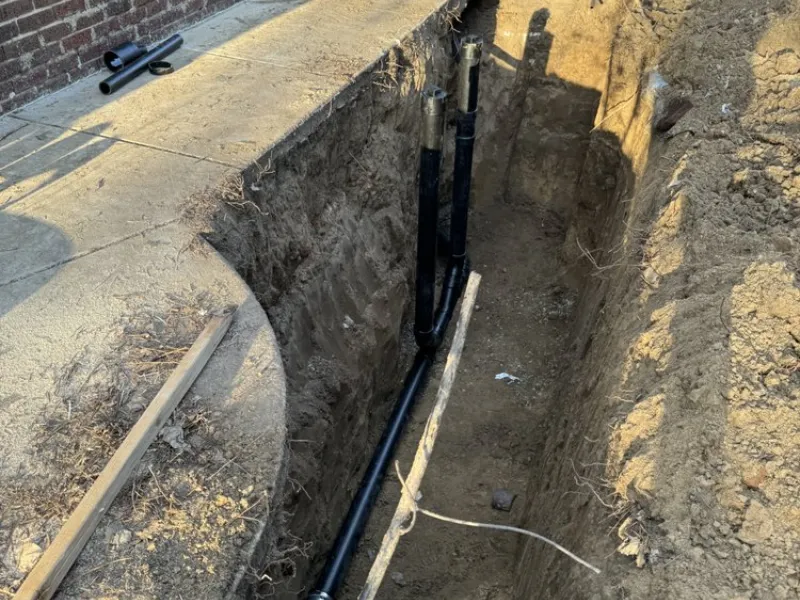
- Root intrusion. After roots are cut, hydro jetting flushes the debris out of the line so it does not settle and back up again.
- Prepping for camera inspection or lining. Both require a clean pipe. Jetting clears the way and lets the camera and pipe lining equipment do their jobs.
- Maintenance on healthy, sound pipes. On lines already confirmed by camera to be in good condition, periodic jetting keeps them flowing.
When a Snake Is the Better Call
Traditional cleaning is still the right tool in plenty of cases, and using it does not mean settling for second best.
- A simple, one-time blockage. A single slow sink or tub with no history of repeat clogs is often cleared for good with a cable.
- You need flow restored right now. A snake is fast and effective as an immediate fix, especially on a holiday or late evening when the goal is simply to stop the backup.
- The pipe's condition is unknown or fragile. Until a camera confirms the line is sound, a gentler mechanical cleaning is the safer first step.
- Budget is the priority. For a basic clog on a healthy pipe, a snake delivers the needed result for less money.
In many real jobs, the two methods work together: a snake to restore flow, a camera to see the pipe, then hydro jetting to clean it properly.
When Hydro Jetting Can Damage a Pipe
Hydro jetting is powerful, and that power is exactly why it should never be used blindly. On a fragile, very old, or already-damaged pipe, the pressurized water can worsen existing cracks, blow out weak joints, or collapse a line that was barely holding together.
Pipes that need a camera first
- Aging cast-iron drains with heavy internal corrosion or flaking
- Old clay or Orangeburg sewer laterals that are brittle or root-damaged
- Any pipe with a known crack, bellied section, or previous repair
- Lines of unknown material or condition in an older San Diego home
Never let anyone hydro jet an old or questionable drain without a camera inspection first. If the line is already damaged, the right move may be a targeted sewer line repair or replacement rather than cleaning.
A responsible plumber will inspect before jetting and will tell you honestly if your pipe is too far gone for it. That inspection protects both your plumbing and your wallet.
What Each Method Costs
Drain cleaning prices vary with the line, the length, the access point, and how severe the blockage is, so a firm number depends on your home. Still, the general relationship holds: a traditional cable cleaning is the lower-cost option, while hydro jetting costs more because it takes specialized equipment, more water, and often a camera inspection.
The smarter way to think about cost is cost per outcome. A cheap snake that clears the same drain three times a year costs more in total than one hydro jetting service that removes the scale and ends the cycle. For a one-time simple clog, the snake is the better value. For a recurring problem, paying more once usually costs less over time.
A&A Plumbing provides upfront pricing and will explain which method fits your pipe before any work begins.
Preventing Drain Clogs in San Diego Homes
Whatever method clears your drain, a little prevention keeps it clear longer, especially in hard water.
- Use mesh strainers in every shower, tub, and sink to catch hair and debris before they enter the pipe.
- Never pour grease or cooking oil down the kitchen drain. Wipe pans into the trash first.
- Run hot water for a minute or two after kitchen use to help move grease through the line.
- Skip harsh chemical drain cleaners, which can damage pipes and rarely remove scale.
- Consider a water softener to reduce the mineral scale that makes clogs return.
- Schedule a camera inspection if the same drain clogs more than once, so you fix the cause, not the symptom.
Frequently Asked Questions
Is hydro jetting better than snaking a drain?
Not always. A snake is faster and cheaper for a simple, one-time blockage because it bores a hole through the clog and restores flow. Hydro jetting uses high-pressure water to scour the entire pipe wall, removing grease, soap scum, and mineral scale, so it is the better choice for recurring clogs, grease-heavy kitchen lines, and root intrusion. The right method depends on the condition of the pipe.
Can hydro jetting damage my pipes?
Hydro jetting can worsen damage in fragile, old, or already-cracked pipes because of the water pressure involved, commonly up to about 3,500 to 4,000 psi. That is why a camera inspection should come first on aging cast iron, clay, or Orangeburg lines, or whenever a pipe may already be damaged. On sound pipes, professional hydro jetting is safe.
How much does hydro jetting cost in San Diego?
Hydro jetting costs more than a basic snake service because it requires specialized equipment, more water, and often a camera inspection, but it typically lasts far longer on problem lines. A simple cable cleaning is the budget option for a one-time clog, while hydro jetting is usually the better value when clogs keep returning. A&A Plumbing provides upfront pricing before any work begins.
Why do my drains keep clogging after snaking?
A snake opens a channel through the clog but leaves grease, soap scum, and mineral scale coating the pipe wall. San Diego's hard water makes that scale worse. The rough, narrowed pipe traps new debris quickly, so the same drain slows down again within weeks or months. Hydro jetting removes that buildup instead of just poking through it.
How often should I have my drains hydro jetted?
Most healthy residential lines do not need routine hydro jetting. It is usually recommended when clogs recur, on grease-heavy kitchen lines, after root removal, or before a camera inspection or pipe lining. Homes with heavy use or chronic grease problems may benefit from periodic maintenance, which a licensed plumber can recommend after inspecting the line.
Not Sure Which Drain Cleaning You Need?
A&A Plumbing serves San Diego County with honest, upfront pricing and same-day service. We’ll inspect the line and recommend the right method before any work begins.
Call (619) 637-5215