How to Know If You Need a Sewer Line Repair in San Diego
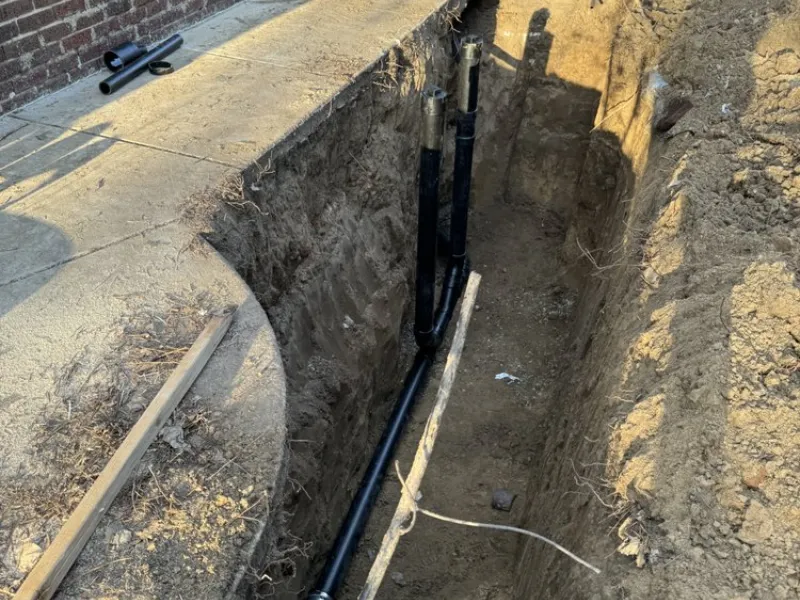
Your main sewer line is the one pipe every drain in the house depends on. When it starts to fail, the warning signs are rarely subtle, but they are easy to misread for a simple clog. In San Diego, where mature trees, older clay tile pipe, and shifting soil are all common, sewer line damage is one of the most frequent calls we run.
This guide walks through the symptoms that point to a main line problem rather than a fixture clog, the causes we see most often around the county, why a camera inspection comes first, and how each repair method compares. If you recognize your home in any of it, the safest move is a professional diagnosis.
What the Sewer Line Does and Why It Fails
Every sink, shower, toilet, and appliance in your home drains into a single pipe: the main sewer line. It carries all of that wastewater, by gravity, from the base of your home out to the municipal sewer main or a septic system. Because it relies on slope and alignment rather than pressure, the sewer line is far more sensitive to what happens around and inside it than the supply lines that bring water in.
That single-pipe design is also why a sewer problem behaves differently from a regular clog. When a fixture drains slowly, the blockage is usually close by. When the main line slows or blocks, every drain in the house suffers, and the fixtures lowest in the home back up first because gravity sends the water there. Once the pipe cracks, sags, or fills with roots, no amount of plunging a single drain will fix it.
7 Warning Signs You Need a Sewer Line Repair
No single symptom proves the main line is damaged, but two or more together almost always do. Watch for these:
- Multiple slow drains. When several fixtures drain slowly at once, and especially when the lowest drains in the home are the slowest, the blockage is in the main line rather than any one fixture.
- Sewage backing up into tubs, showers, or floor drains. Wastewater rising from the lowest point in the house is a classic sign of a blockage or collapse downstream.
- Gurgling toilets. If a toilet gurgles after you run a sink, shower, or the washing machine, air is being pulled through the line because water is trapped somewhere it should not be.
- Persistent sewer odors. A rotten smell inside the home or in the yard near the line usually means gas is escaping through a crack or a broken seal.
- Soggy or unusually green patches. A lawn spot that stays damp when everything around it is dry, or grass that grows greener than the rest, can mark a leak in the line below.
- Foundation cracks. In severe cases, water escaping from a broken sewer line can undermine soil and contribute to cracks in a slab or foundation.
- Recurring clogs. If the same drain clogs again weeks after being cleared, something structural, such as roots or a belly, is trapping debris and needs to be seen.
Raw sewage backup is a health hazard, not just an inconvenience. Stop using water in the home, keep children and pets away from affected areas, and call a licensed plumber rather than pouring chemicals down the drain.
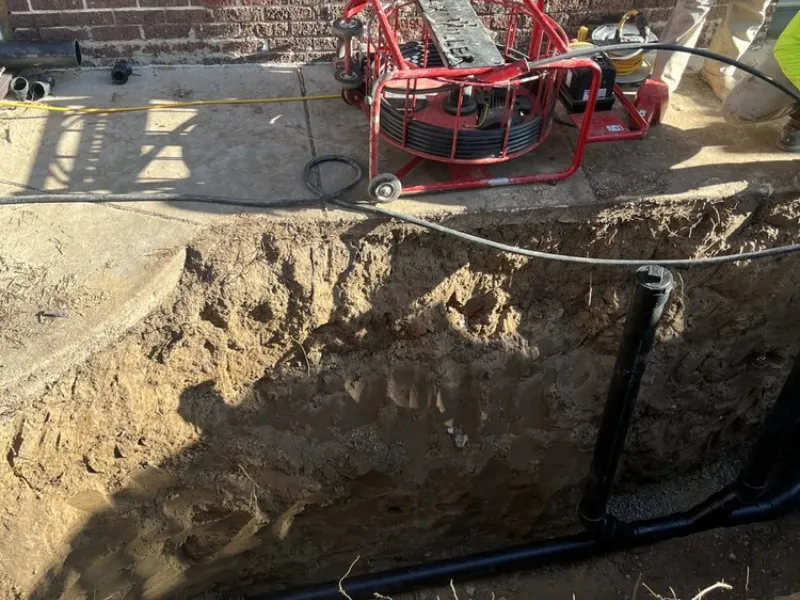
Causes of Sewer Line Damage in San Diego
Most sewer line failures we see in San Diego trace back to one of a handful of causes. Knowing which one is most likely in your neighborhood helps you understand what the camera finds.
Tree-root intrusion
Roots are the number one cause of sewer problems in older San Diego neighborhoods. Trees and large shrubs seek moisture and nutrients, and a sewer line is a steady supply of both. Roots slip through tiny cracks and loose joints, then grow into a mat that snags waste and steadily narrows the pipe. This is why homes near mature ficus, sycamore, and eucalyptus trees tend to have the most trouble, and why tree roots in sewer lines deserve their own conversation.
Aging clay tile and cast-iron lines
Homes built before the 1980s often still have clay tile or cast-iron sewer pipe. Clay is brittle and shifts with the soil, opening joints that roots exploit. Cast iron rusts from the inside, roughens, and eventually cracks. Neither material was designed to last the seven or more decades many of these lines have already served.
Pipe bellies and sags
A belly is a low spot where the pipe has settled or sagged out of its proper slope. Water and waste pool there instead of flowing, so the line clogs repeatedly even when nothing is physically blocking it.
Cracks and offset joints
Soil movement, heavy equipment, or simple age can crack a pipe or shift its joints so that one section no longer lines up with the next. An offset joint catches debris and paper, and a crack lets soil and roots enter.
Grease, scale, and debris buildup
Even a structurally sound line narrows over time as grease, hard-water scale, and debris coat the walls. Constant grease from the kitchen drain, in particular, can harden into a blockage, which is one reason we recommend care with anything going down the kitchen drain.
Root damage after heavy rains
After a wet winter, saturated soil shifts and loosens around the pipe, and roots push in more aggressively. Many sewer failures surface in the weeks after a storm rather than in the middle of dry season.
Why a Camera Inspection Comes First
Because the sewer line is buried, every guess about what is wrong with it is expensive. A sewer camera inspection ends the guessing. A small waterproof camera travels the length of the pipe and sends back live video with distance and depth readings, so you can see exactly what is happening inside: roots, a crack, an offset joint, a belly, heavy scale, or a full collapse.
That information matters. A line that is merely root-clogged may need only cleaning and maintenance, while a cracked or collapsed section needs a structural repair. The camera also pinpoints the exact location, so the work is targeted instead of exploratory. Never authorize major sewer work, and never sign off on a full replacement, without seeing the footage.
A reputable plumber will show you the camera recording and point out the problem and its location on the line. If a company quotes a large repair without a camera inspection, get a second opinion.
If what you are really chasing is a slow or recurring drain rather than a backup, our guide to why drains keep clogging explains how scale and other buildup fit into the picture. And if a leak is part of the story, professional water leak detection and repair can confirm where water is escaping before any digging starts.
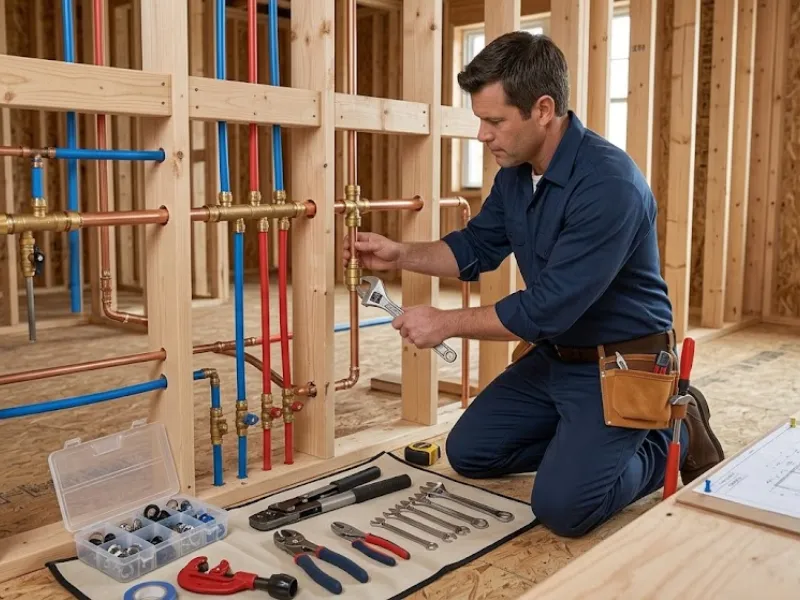
Sewer Repair Methods Compared
The right repair depends on what the camera shows, where the damage is, and how much access the site allows. These are the options a licensed plumber will typically weigh.
| Method | Best For | Digging | Typical Use |
|---|---|---|---|
| Spot repair | A single localized crack or break | Small excavation at one point | Isolated damage in an otherwise sound line |
| Hydro jetting | Roots, grease, and scale buildup | None | Cleaning a structurally sound line |
| Trenchless pipe lining (CIPP) | Cracks, joints, and moderate deterioration | Minimal access pits | Rehabilitating a host pipe without full replacement |
| Pipe bursting | Badly damaged or undersized lines | Minimal access pits | Pulling new pipe through the old, larger diameter |
| Open-cut replacement | Full collapse or no accessible route | Continuous trench along the line | Replacing the line with new PVC |
One important distinction: hydro jetting cleans a pipe but does not repair it. It is the right tool for roots and grease in a sound line, and the wrong tool for a cracked, offset, or collapsed one, where it can make existing damage worse. A camera inspection tells you which situation you are in.
Trenchless vs. Traditional Repair
Once a structural repair or replacement is on the table, the next decision is how to get at the pipe. Both approaches result in a working line; they differ mainly in disruption and recovery time.
Trenchless repair
Trenchless methods include CIPP pipe lining and pipe bursting. Lining inserts a resin-saturated liner that cures into a new pipe inside the old one, sealing cracks and joints. Pipe bursting pulls a new, often larger pipe through the old one while fracturing it outward. Both need only small access pits rather than a continuous trench, which protects driveways, patios, sidewalks, and landscaping and usually gets the job done in a day or two. For most residential sewer repairs, trenchless work is faster, cleaner, and less expensive once you factor in restoring hardscape.
Traditional open-cut replacement
Open-cut excavation digs a trench along the path of the line and replaces it outright. It is sometimes unavoidable, such as a full collapse, a line with no viable access, or a situation where the pipe is so deteriorated that lining will not hold. The trade-off is more digging, more disruption, and more restoration afterward. The upside is a brand-new pipe, and because new PVC is root- and corrosion-resistant, it should not need attention for decades.
Whichever route is right, cost comes down to depth, length, access, method, permits, landscaping, and whether the work touches a city sidewalk or street. That is why an itemized estimate matters, and why we always start with a camera. Learn more about our trenchless repipe and pipelining services to see what minimal-digging work looks like.
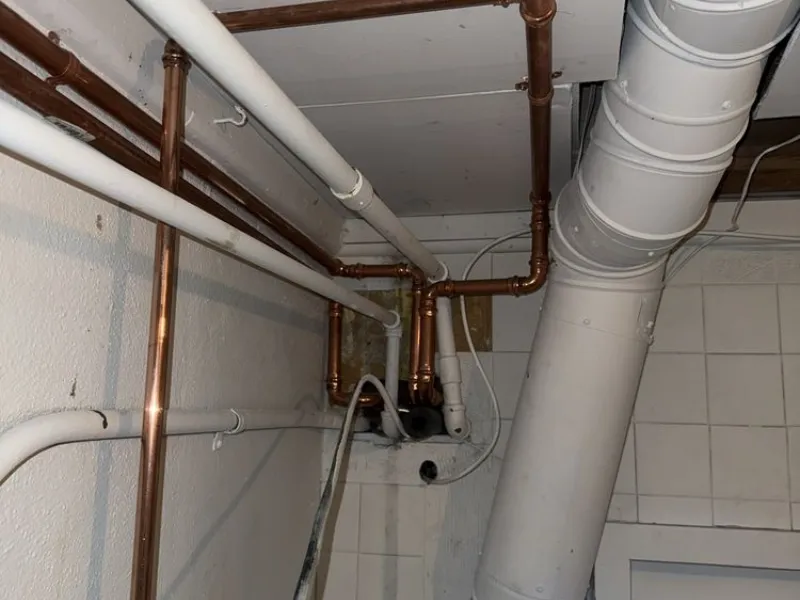
Preventing Sewer Line Problems
Sewer lines age, but you can slow the process and catch trouble early with a few habits.
- Be careful what you plant. Avoid placing trees or large shrubs directly over the sewer line, and choose slower-growing species near it.
- Use strainers. Mesh strainers in showers and sinks catch hair and debris before they reach the main line.
- Never flush wipes or grease. So-called flushable wipes do not break down, and grease hardens inside the pipe. Both belong in the trash.
- Watch for early signs. One slow drain is worth noting; several slow drains at once deserve a call.
- Schedule periodic inspections. In homes built before 1980, a camera inspection every year or two can catch root intrusion and joint damage before they become backups.
Routine maintenance is far cheaper than an emergency replacement. If you are due for a checkup, or if something on this list sounds familiar, contact A&A Plumbing or call (619) 637-5215 to schedule a camera inspection. Our post on common plumbing problems in San Diego homes is a good companion read for the rest of your system.
Frequently Asked Questions
How do I know if my sewer line is damaged?
The clearest signs are multiple slow drains, especially the lowest fixtures in the home, sewage backing up into tubs, showers, or floor drains, toilets that gurgle after you run a sink or appliance, persistent sewer odors inside or in the yard, and soggy or unusually green patches in the lawn above the line. Recurring clogs and, in severe cases, foundation cracks also point to a failing main line.
Do I really need a sewer camera inspection?
Yes. A camera inspection shows the exact problem, whether it is roots, a crack, an offset joint, a belly, or a full collapse, and it pinpoints the location and depth. Never authorize major sewer work without seeing the camera footage, because it prevents paying for a repair your pipe does not actually need.
What is the difference between hydro jetting and a sewer line repair?
Hydro jetting uses high-pressure water to scrub roots, grease, and scale from the inside of the pipe, but it only cleans the line. It cannot fix structural damage such as a crack, a collapsed section, or a belly. If the pipe itself is broken or misaligned, a spot repair, pipe lining, pipe bursting, or replacement is the correct fix.
Is trenchless sewer repair better than digging?
Trenchless methods such as CIPP pipe lining and pipe bursting do far less damage to driveways, patios, and landscaping because they need only small access pits. Traditional open-cut excavation is sometimes unavoidable for a full collapse or a line with no access points, but for most residential repairs trenchless is faster and less disruptive.
How much does sewer line repair cost in San Diego?
Cost depends on depth, length, access, the repair method, permits, landscaping, and whether the work touches a city sidewalk or street. A localized spot repair costs far less than a full replacement, which is why a camera inspection and a written estimate come first. A licensed plumber can price the options after seeing the line.
Suspect a Sewer Line Problem?
A&A Plumbing serves San Diego County with honest, upfront pricing and same-day service. We’ll run a camera, show you what we find, and explain your options before any work begins.
Call (619) 637-5215