San Diego Plumbing Permits: When Do You Need One?
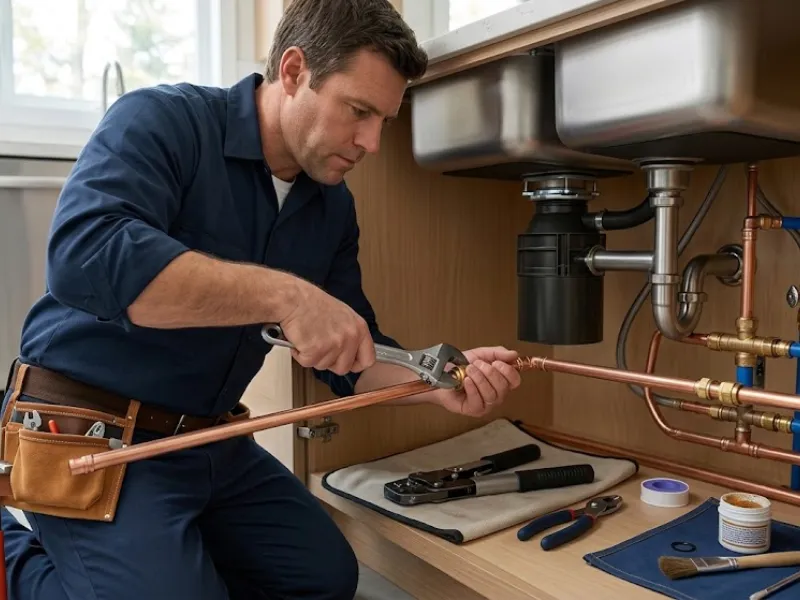
Few things confuse homeowners more than the question of plumbing permits. One neighbor replaces a water heater without a word, another insists you need paperwork for the same job, and a contractor says not to worry. The truth is that San Diego County has a patchwork of building departments, and whether you need a permit depends on what the work does to your plumbing system, not on how big the receipt is.
This guide explains which plumbing projects typically require a permit in San Diego, which ones usually do not, who issues the paperwork, and why skipping it can cost you. It is general guidance, not legal advice, and rules vary by city and change over time, so confirm specifics with your local building department.
Why Plumbing Permits Matter
A plumbing permit is not just a revenue slip. It triggers an inspection that verifies the work was done safely and to code. Plumbing touches water, gas, and electricity, so mistakes can range from a slow leak behind a wall to a gas hazard or an incorrectly vented water heater.
Here is what a permit actually buys you:
- A safety inspection. A code official reviews the rough-in and the final connections, checking things like pipe sizing, pressure testing, venting, and gas line integrity.
- Code compliance. San Diego follows the California Plumbing Code and local amendments. A permit keeps the work aligned with current requirements instead of whatever was standard decades ago.
- Insurance protection. If a leak or fire connects to unpermitted plumbing, a homeowner's insurance claim can be denied or reduced.
- Clean resale. Unpermitted work surfaces during a home inspection and can stall a sale or force expensive corrections.
In short, the permit is your paper trail proving the work was legitimate. For a deeper look at the standards behind it, see our guide to the San Diego plumbing code.
Who Issues Plumbing Permits in San Diego County
San Diego County is not a single permitting authority. Where you live determines who reviews and inspects your project:
- City of San Diego. If your home is inside city limits, permits come from the City of San Diego Development Services Department. This covers neighborhoods from North Park and City Heights to Carmel Valley and Rancho Bernardo.
- Incorporated cities. Chula Vista, El Cajon, Escondido, Oceanside, Carlsbad, Poway, Santee, La Mesa, and other cities each run their own building and plumbing permit process.
- Unincorporated county. Homes outside any city, such as parts of Lakeside, Spring Valley, or rural East County, are permitted through San Diego County.
Because each jurisdiction sets its own forms, fees, and inspection schedules, the same water heater replacement can cost more or less depending on which side of a city line you sit on. When in doubt, call your building department before work starts.
Plumbing Work That Typically Needs a Permit
The common thread is change: projects that add, relocate, replace, or alter a plumbing system generally require a permit. In the San Diego area, the following work almost always needs one.
Water heaters
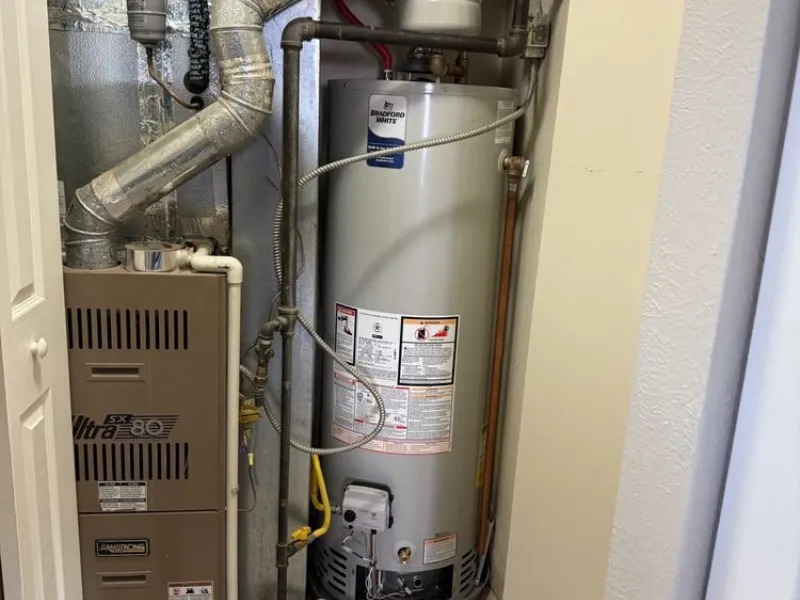
Replacing or installing a water heater requires a permit in most jurisdictions. An inspection confirms safe venting, a working temperature and pressure relief valve, correct gas or electrical connections, and code-compliant placement, for tank and tankless units alike. Learn more about permitted water heater work, and if your current unit is on its last legs, our post on water heater repair and replacement signs can help you decide when to act.
Repiping and major pipe replacement
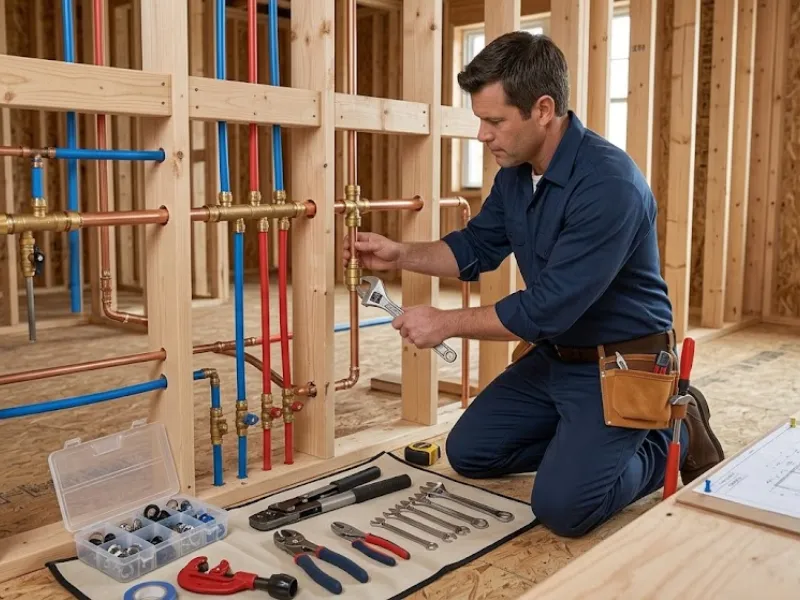
A whole-home or partial repipe alters your potable water distribution system, so it requires a permit and a pressure test inspection. The same is true for replacing a large section of supply or drain piping. See how permitted repipe and pipelining work is scoped and inspected.
Gas line work
Any new, extended, or replaced gas line needs a permit and inspection. Gas is the highest-stakes plumbing trade, and inspections verify leak-free connections and proper pipe sizing.
Sewer line repair or replacement
Repairing or replacing a sewer line, including trenchless methods, typically requires a permit because it connects to the public sewer system and must meet slope and material requirements.
Adding or relocating fixtures
Adding a bathroom, relocating a sink, or running new supply and drain lines for a fixture is permitting work. These projects change the plumbing layout and require inspection of both water and drain connections.
Water softeners tied into the supply
A water softener that ties into the potable water supply and connects to a drain generally needs a permit to confirm proper backflow protection. Explore permitted plumbing installation for whole-home system changes.
Major remodels
Kitchen and bathroom remodels that move or extend plumbing lines are usually covered under a larger building permit, which includes plumbing review.
If a project changes how water, waste, or gas moves through your home, assume a permit may be required until your building department confirms otherwise. It is far cheaper to ask first than to correct it later.
Plumbing Work That Usually Does Not Need a Permit
Not every visit from a plumber requires paperwork. Routine maintenance and like-for-like repairs that do not alter the system are generally exempt from permitting. Typical examples include:
- Unclogging a drain, including hydro jetting a clearable line
- Replacing a faucet with the same style and connections
- Replacing a toilet flapper or fill valve
- Swapping out a showerhead
- Rebuilding a faucet cartridge or replacing an aerator
- Replacing a toilet seat or making minor adjustments
These are considered repairs rather than system changes, and they do not require an inspection. Even so, exempt work still has to be done correctly and safely. If a "minor" repair keeps returning, it may point to a deeper problem, which is why our guide to common plumbing problems in San Diego homes is worth a read.
Exempt from permitting does not mean exempt from code. A handyman may legally replace a faucet, but any gas, sewer, or water heater work should be handled by a licensed plumber who can pull the right permit.
Permit Needed vs. Not Needed: Quick Reference
Use this table as a starting point. Your city's building department has the final say, so confirm before you schedule work.
| Project | Permit Usually Needed? | Why |
|---|---|---|
| Replace or install a water heater | Yes | Venting, gas/electrical, and relief valve safety |
| Whole-home or partial repipe | Yes | Alters potable water system; requires pressure test |
| New or extended gas line | Yes | Gas safety and leak inspection |
| Sewer line repair or replacement | Yes | Connection to public sewer and slope standards |
| Add or relocate a fixture or bathroom | Yes | New supply and drain connections require review |
| Water softener tied into supply and drain | Yes | Backflow protection on potable water |
| Major kitchen or bathroom remodel | Yes | Covered by building permit with plumbing review |
| Unclogging a drain | Usually no | Routine repair, no system change |
| Replacing a faucet (same style) | Usually no | Like-for-like fixture swap |
| Toilet flapper or fill valve | Usually no | Internal repair part |
| Replacing a showerhead | Usually no | Simple fixture change |
What Happens If You Skip the Permit
Homeowners sometimes skip permits to save money or time, but the downside can dwarf the savings. Unpermitted plumbing work carries several real risks:
- No safety inspection. The exact problem the permit was meant to catch, like bad venting or a slow gas leak, goes unchecked.
- Denied insurance claims. If water damage or a fire traces back to unpermitted work, your insurer may deny the claim.
- Trouble at resale. Buyers and lenders routinely ask for permit history. Unpermitted work can delay or kill a sale.
- Forced corrections. Cities can require you to open walls, expose the work, and pay for both permits and re-inspection after the fact, often at several times the original cost.
Discovering unpermitted plumbing during escrow can turn a simple sale into a negotiation, a repair bill, or a price reduction. The permit you skipped can end up being the most expensive line item in the deal.
How the Permit Process Works
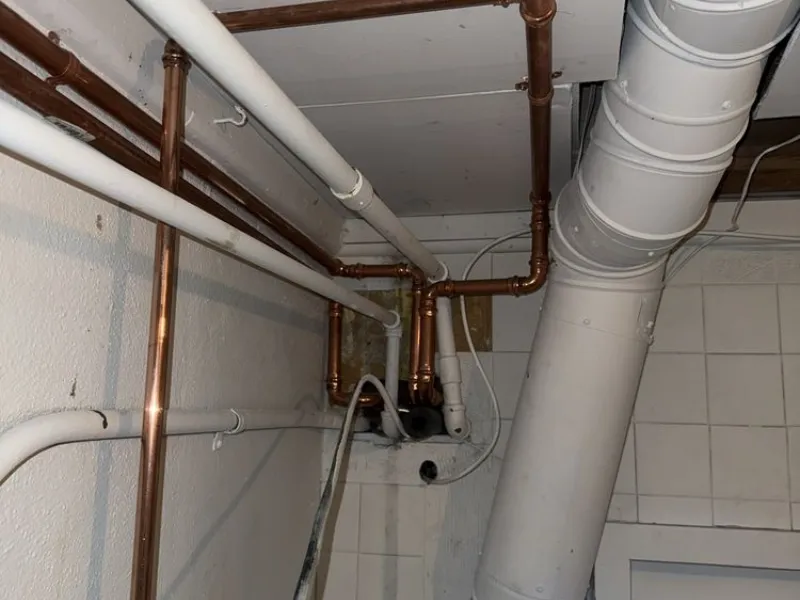
In practice, a licensed plumber handles the paperwork for you. The process generally runs like this:
- Application. The plumber or homeowner files an application with the local building department, describing the scope of work.
- Review and issuance. The department reviews the scope and issues the permit, sometimes the same day for simple residential work.
- Rough-in inspection. For repipes or new lines, an inspector checks the work before walls or trenches are closed.
- Final inspection. Once the job is complete, the inspector signs off that it meets code.
A reputable plumber builds this into the job schedule so inspections do not delay completion, and a general contractor typically manages the combined building permit on larger remodels.
Fees and Timelines to Expect
Permit fees in the San Diego area are usually modest for straightforward residential plumbing and rise with the size of the project. A single water heater permit is typically inexpensive, while a whole-home repipe or a bathroom addition costs more because it involves more inspection time and review.
Fees are set by each jurisdiction and updated periodically, so the only reliable number comes from your local building department. Timelines are typically quick for standard residential work, and the permit cost is almost always a small fraction of the total job, which is why skipping it rarely makes financial sense.
Red Flags to Watch For
A licensed, insured plumber will not hesitate to pull a permit, because the inspection protects both of you. Be cautious if a contractor:
- Says "no permit needed" for a water heater replacement or a repipe
- Offers a discount to skip the permit or asks you to pull it as a homeowner to avoid scrutiny
- Cannot show a state plumbing license or proof of insurance
- Wants a large cash payment with no written estimate or contract
If any of these happen, get a second opinion. San Diego's hard water and older housing stock mean plumbing problems are common, and the last thing you want is an unpermitted repair hidden behind a wall. When a plumber pulls the proper permit, you get a paper trail, a safety inspection, and peace of mind. That is the standard we hold at A&A Plumbing. Call (619) 637-5215.
Frequently Asked Questions
Do I need a permit to replace a water heater in San Diego?
Yes. Replacing or installing a water heater generally requires a plumbing permit in the City of San Diego and most incorporated cities. The inspection confirms safe venting, proper gas or electrical connections, a correctly sized temperature and pressure relief valve, and code-compliant installation. A licensed plumber should pull the permit before work begins.
Does a whole-home repipe require a permit?
In most cases, yes. A whole-home or partial repipe requires a permit because it alters the potable water distribution system. The inspection verifies materials, pressure testing, and code compliance. Small isolated repairs to a single pipe may not require one, so confirm with your local building department.
Who issues plumbing permits in San Diego County?
The City of San Diego Development Services Department issues permits inside city limits. Each incorporated city, including Chula Vista, El Cajon, Escondido, and Oceanside, issues its own permits, and unincorporated areas are handled by San Diego County. Rules and fees vary by jurisdiction.
What are the risks of unpermitted plumbing work?
Unpermitted work skips the safety inspection, can violate code, and may cause an insurance claim to be denied if a leak or fire traces back to it. It also surfaces during a home sale, when buyers or lenders may demand corrections that cost far more than the original permit.
Does replacing a faucet or unclogging a drain need a permit?
Usually not. Minor repairs such as clearing a clogged drain, replacing a faucet, swapping a toilet flapper or fill valve, or changing a showerhead are considered maintenance and typically do not require a permit in San Diego area jurisdictions.
Not Sure If Your Project Needs a Permit?
A&A Plumbing serves San Diego County with honest, upfront pricing and same-day service. We’ll tell you what your project needs and pull the permit when it’s required.
Call (619) 637-5215