How to Save Water at Home: Plumbing Tips for San Diego Homeowners
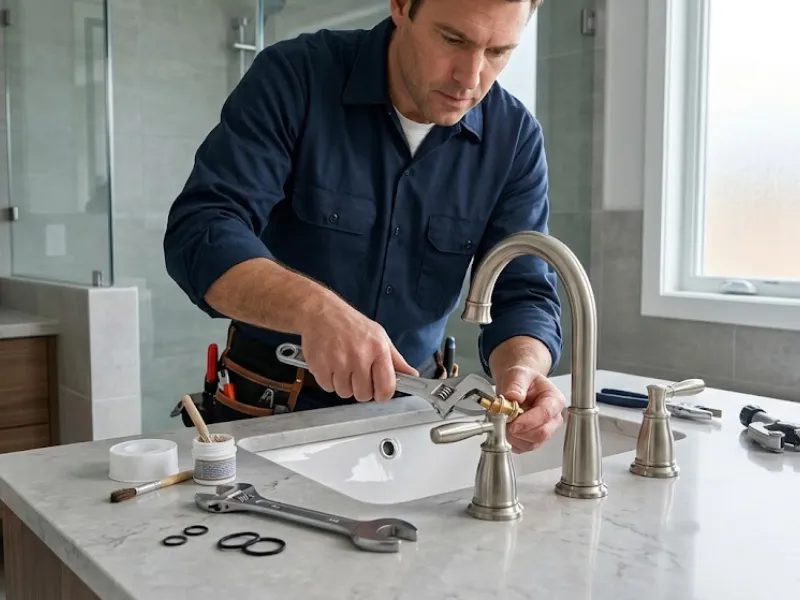
San Diego is one of the most water-scarce large cities in the United States. Roughly 85 to 90 percent of our water is imported from the Colorado River and Northern California, and the region has cycled through repeated droughts for decades. For homeowners, that reality lands in two practical places: your monthly water bill and the health of your plumbing. Saving water is one of the fastest ways to cut a recurring expense while putting less strain on the pipes you already own.
Most of the water a typical household wastes never floods a floor or drips where you can hear it. It slips past a worn toilet flapper, runs while you brush your teeth, or soaks into a lawn that could thrive on far less. The good news is that almost every fix below is inexpensive, simple, and permanent. A&A Plumbing works with San Diego homeowners on exactly these improvements every day.
Why Water Conservation Matters in San Diego
San Diego County relies on a blend of imported Colorado River water, water from the State Water Project, and a growing share of desalinated and recycled supplies. With a semi-arid climate and average rainfall of only about 10 inches a year near the coast, there is very little local water to fall back on. Conservation remains the cheapest and cleanest source of “new” water we have.
Conservation also protects the plumbing itself. A toilet that never stops running, or a faucet that drips around the clock, doesn't just inflate the bill. It accelerates wear on working parts and often signals a failing valve or a mineral-clogged cartridge. Catching those problems early saves water and repairs at the same time.
1. Fix Leaks Before They Waste a Drop
The single biggest water waster in most homes is a leak nobody notices. A leaking toilet is the classic example. When the flapper stops sealing, water trickles continuously from the tank into the bowl and the fill valve keeps topping it back up. A running toilet can waste hundreds of gallons a day, and because it makes no noise, the first clue is usually a higher bill.
The dye test
To check a toilet in about 15 minutes, put a few drops of food coloring into the tank and wait without flushing. If color appears in the bowl, the flapper is leaking. Replacing a flapper is a quick, low-cost repair, and if the toilet is older or also leaking at the base, a newer high-efficiency model is often the better investment. You can read more in our guide to toilet repair and installation.
Check your water meter
To catch leaks anywhere in the system, turn off every fixture and water-using appliance, read your water meter, and note the number. Wait 30 to 60 minutes without using any water, then read the meter again. If it moved, water is escaping somewhere. Our articles on hidden water leaks in San Diego homes, high water bills from hidden plumbing leaks, and common plumbing problems in San Diego homes explain how to narrow down the source.
A dripping faucet can waste thousands of gallons a year on its own. If tightening the handle doesn't stop it, the cartridge or washer is worn and the fixture likely needs a rebuild or replacement. See our faucet replacement and repair service.
2. Install WaterSense Fixtures
WaterSense is the EPA's efficiency label, and it's the easiest way to buy a fixture that genuinely saves water. WaterSense-labeled faucet aerators and showerheads use roughly 20 to 50 percent less water than older standard models while keeping the pressure and feel people expect. Because they're inexpensive and simple to install, they're often the best return on investment in the house.
Faucet aerators
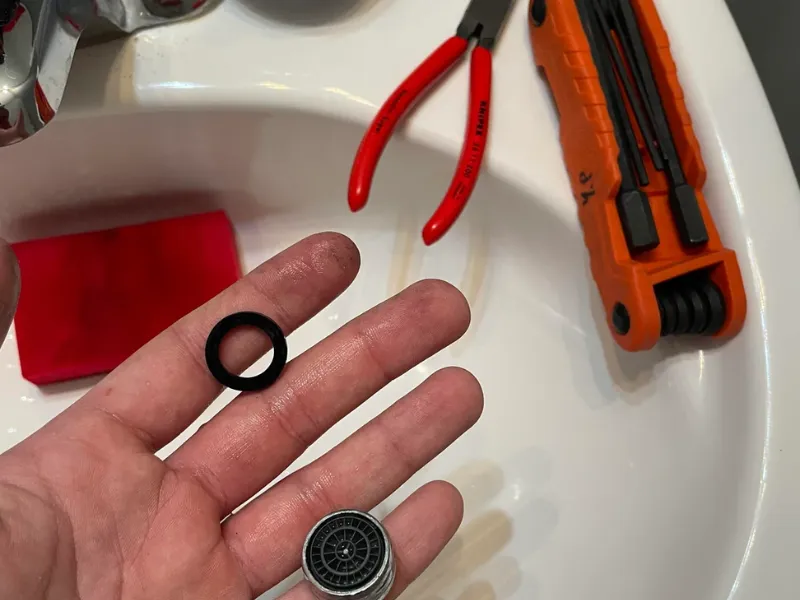
An aerator screws onto the tip of your faucet and mixes air into the stream, so you get a full-feeling flow at a lower volume. Older aerators can flow at 2.2 gallons per minute or more; a WaterSense aerator runs at 1.5 gallons per minute or less. Swapping them out takes minutes and trims usage across every tap in the home.
Low-flow showerheads
Showers are one of the largest indoor uses of water, and a WaterSense showerhead cuts flow to 2.0 gallons per minute or less without the weak spray of older low-flow designs. If yours has mineral buildup from hard water, replacing it also restores lost pressure.
3. Upgrade to a High-Efficiency Toilet
Toilets account for close to 30 percent of the water used inside a typical home, which makes them the biggest single target for savings. Older toilets can use 3.5 gallons or more per flush. A modern high-efficiency toilet flushes reliably on 1.28 gallons or less, and some models do even better with dual-flush or pressure-assist designs.
For a family of four, that difference alone can save tens of thousands of gallons a year. Modern designs also clear the bowl better than the first low-flow toilets that gave the category a bad reputation. If your toilet predates the 1990s, replacing it is usually the best water investment you can make.
- Toilets that run or refill on their own, even briefly
- Water pooling around the base or a rocking bowl
- Weak or double flushes that point to a failing valve
- Any model older than the mid-1990s
4. Build Smarter Water Habits
Fixtures and appliances set the ceiling on how much water you can save, but daily habits determine how close you get. These changes cost nothing and together trim indoor use by a meaningful margin.
Take shorter showers
Even an efficient showerhead uses two gallons or more per minute. Cutting a 10-minute shower to five or six minutes saves real volume over a year.
Turn off the tap
Shutting the water off while you brush your teeth, shave, or scrub dishes stops several gallons a minute from going down the drain. It's the easiest habit change on this list.
Run only full loads
Run washing machines and dishwashers only when full—a half-empty load wastes the same water as a full one. They are far more efficient than hand-washing, so use efficiency settings when available.
5. Make Hot Water Work Smarter
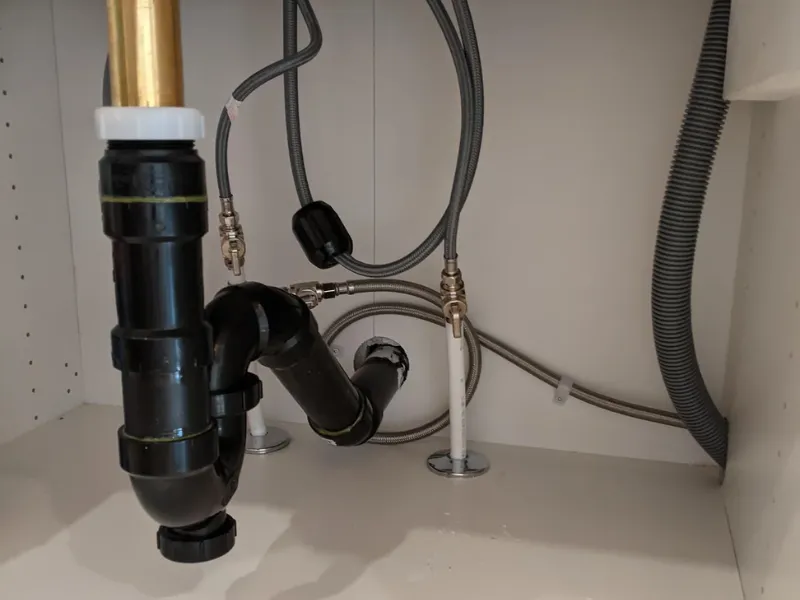
Water sitting in the pipes between your water heater and a faucet cools between uses, so you run the tap and wait. That wait pours good water down the drain. Insulating exposed hot-water pipes keeps it warmer longer, shortens the wait, and cuts reheating energy.
If the wait is a constant frustration, an on-demand recirculation system or a tankless water heater can all but eliminate it. Tankless units heat water as you use it instead of storing a tank that loses heat around the clock, and recirculation delivers hot water faster through long pipe runs. Both cut standby losses and wasted water.
6. Landscape for San Diego's Dry Climate
Outdoors is where most residential water goes and where the biggest savings hide. You don't need to tear out every plant—smart design and a few equipment upgrades do most of the work.
Drip irrigation and smart controllers
Drip irrigation delivers water slowly to the root zone instead of spraying it into the air, where wind and evaporation steal a share. Pair drip lines with a smart irrigation controller that adjusts watering to the weather and shuts off after rain, eliminating the overwatering that fixed timers cause.
Add mulch
A three-inch layer of mulch around plants and trees slows evaporation, cools the soil, and suppresses weeds that compete for water. It's one of the cheapest landscaping moves you can make.
Sweep instead of hosing
Use a broom or a leaf blower on driveways, patios, and sidewalks instead of a hose. Hosing hard surfaces can use dozens of gallons in minutes and sends debris and soap into storm drains that lead to the ocean.
Use a pool cover
If you have a pool or spa, a cover dramatically reduces evaporation, the largest source of pool water loss in our sunny climate. It also keeps the water warmer and lowers the chemicals and energy needed to maintain it.
7. Keep Your Water Softener Efficient
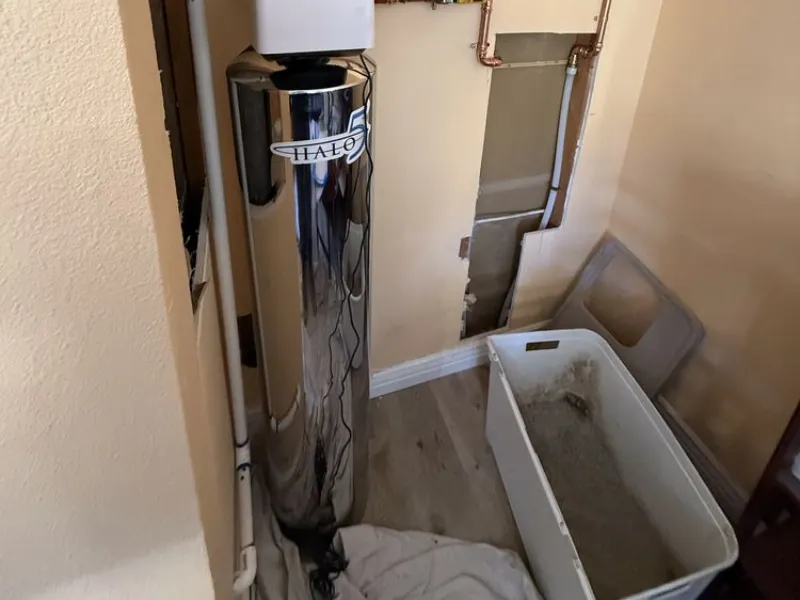
San Diego's water runs roughly 16 to 25 grains per gallon, well into the “very hard” range. A water softener protects fixtures, water heaters, and appliances from scale, but it uses water and salt each time it regenerates, so an inefficient setup can quietly waste the water you're trying to save.
Set regeneration based on your actual water hardness rather than a factory default, and choose a demand-initiated model that regenerates only when the resin needs it. If your softener is older or running constantly, a service check or an efficient upgrade protects both your pipes and your bill. Our water conservation services can help you tune the whole system.
Rebates & Long-Term Savings
San Diego-area water districts and the regional SoCal Water$mart program have historically offered rebates on high-efficiency toilets, WaterSense fixtures, smart irrigation controllers, and turf replacement. These programs offset the upfront cost, but funding, eligibility, and amounts change over time. Always verify the current details with your specific water provider before you buy or install, and save your receipts and old-fixture documentation.
The math behind conservation is simple. Every efficient fixture and fixed leak keeps saving water month after month, so the returns stack up long after the initial cost is forgotten. Add lower energy use from less hot water and you save on two utility bills at once. Water-wise homes are also easier to sell in a drought-prone region.
Your Water-Saving Checklist
Work through this list and you'll cover the highest-impact, lowest-cost water savings in a typical San Diego home.
- Dye-test every toilet and replace any leaking flapper.
- Check your water meter for movement when nothing is running.
- Fix dripping faucets promptly instead of letting them run.
- Install WaterSense aerators on kitchen and bathroom faucets.
- Swap in a low-flow showerhead rated at 2.0 gallons per minute or less.
- Replace older toilets with high-efficiency models.
- Take shorter showers and turn off the tap while brushing or shaving.
- Run only full loads in the washer and dishwasher.
- Insulate hot-water pipes and consider on-demand or tankless hot water.
- Switch to drip irrigation and a smart, weather-based controller.
- Add mulch and choose water-wise plants.
- Sweep hard surfaces instead of hosing them down.
- Cover your pool to cut evaporation.
- Set your softener to regenerate efficiently for local hardness.
- Check for rebates from your water district before you buy.
Frequently Asked Questions
How much water can a running toilet waste?
A toilet with a leaking flapper can waste hundreds of gallons per day, and some silent leaks waste far more. Because the water runs straight down the drain without a sound, the first clue is often a higher bill. A 15-minute food-coloring dye test confirms whether the flapper is sealing.
Do WaterSense fixtures really save water in San Diego?
Yes. WaterSense-labeled faucet aerators and showerheads use roughly 20 to 50 percent less water than older standard models while maintaining strong pressure. The EPA estimates that swapping to WaterSense fixtures saves the average family thousands of gallons per year, and the savings compound across every fixture in the home.
Where can I find water-saving rebates in San Diego?
Many San Diego-area water districts and the regional SoCal Water$mart program offer rebates on high-efficiency toilets, WaterSense fixtures, smart irrigation controllers, and turf replacement. Programs and amounts change over time, so always verify current eligibility and requirements with your specific water provider before you buy or install.
How do I know if I have a hidden water leak?
Turn off every fixture and water-using appliance, read your water meter, wait 30 to 60 minutes without using any water, and read it again. If the meter moved, water is escaping somewhere on the system. Professional leak detection can pinpoint the source without tearing into walls or floors.
Does a water softener waste water?
A water softener uses a small amount of water during regeneration, so setting it correctly matters in San Diego's 16 to 25 grains-per-gallon range. Modern demand-initiated softeners regenerate only when needed, which cuts both salt and water use while still protecting fixtures and appliances from hard-water scale.
Ready to Cut Your Water Use?
A&A Plumbing serves San Diego County with honest, upfront pricing and same-day service. We’ll find leaks, upgrade fixtures, and tune your system to save water without giving up comfort.
Call (619) 637-5215