Tree Roots in Sewer Lines: Causes, Warning Signs & Solutions
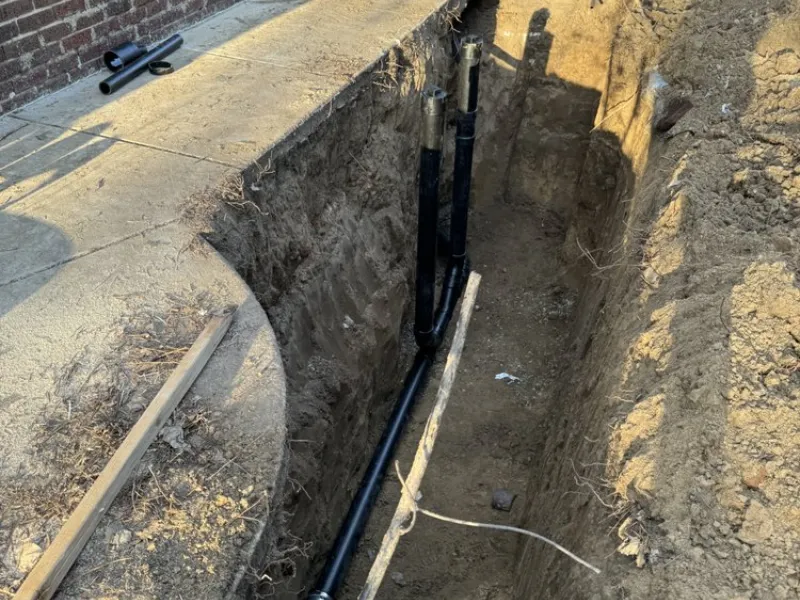
Few plumbing problems are as frustrating as a sewer line that clogs every few months. The drain clears, life goes back to normal, and then two months later the same toilets gurgle and the same tub fills with dirty water. In a large share of those cases, the real culprit is not what you are flushing. It is something growing quietly outside, in the yard, feeding on the moisture inside your sewer lateral.
San Diego is a city of mature landscaping. The ficus hedges, eucalyptus, sycamores, and willows that make our neighborhoods beautiful also send roots searching for water and nutrients in every direction. When that search finds a buried pipe with warm water and organic waste inside, the results are predictable. This guide explains why roots invade sewer lines, how to recognize the problem early, which trees and pipe materials are most vulnerable here in San Diego County, and how to choose between a quick fix and a permanent solution.
Why Tree Roots Love Your Sewer Line
A sewer lateral is essentially an underground irrigation line that runs 24 hours a day. It carries warm water from showers, sinks, laundry, and toilets, which keeps the surrounding soil slightly warmer and consistently damp. It also carries the organic material that roots treat as fertilizer. For a thirsty tree, your sewer line is the best patch of ground on the property.
Roots rarely break into a perfectly sound pipe through solid material. They find the weak points. In older laterals, those weak points are everywhere.
How roots actually get inside
- Hairline cracks. Settling soil, traffic, and age crack brittle pipe. A crack narrower than a credit card is wide enough for a root tip measured in thousandths of an inch.
- Joint gaps. Clay tile and cast-iron laterals were built in short sections joined together. Those joints loosen over decades, and every gap is an open door.
- Loose connections. Where the lateral meets the city main, or where a cleanout ties in, fittings can separate slightly and invite intrusion.
Once a root finds that opening, it does not simply stop. Fine root hairs feed on the moisture and nutrients, then thicken. The mass expands inside the pipe, catches toilet paper, wipes, grease, and debris, and creates the recurring clog you keep paying to clear. Even if you remove the blockage, the opening remains, so the cycle restarts.
Roots grow toward moisture, so the pipe itself attracts them. Trimming the tree above ground will not remove the roots already growing through the joints below, and it rarely stops them from returning.
Warning Signs of Root Intrusion
Root problems announce themselves gradually. Learning the early signs lets you address a small defect before it becomes a sewage backup or a collapsed pipe.
Early warning signs
- One drain clogs again and again, even after professional clearing
- Slow drains appearing in several fixtures around the home
- Toilets that gurgle or bubble after a sink, shower, or washing machine drains
- A faint sewer smell indoors, or near a cleanout in the yard
Signs the problem is advanced
- Sewage backing up into tubs, showers, or floor drains
- Multiple drains failing at the same time
- Soggy, sunken, or unusually green patches of grass above the sewer line
- Repeated clogs at the lowest drain in the house, which is closest to the lateral
A single slow drain is often just a local clog. When the whole house drains slowly, several fixtures act up at once, or the lowest drains back up first, suspect the main sewer lateral and get it inspected.
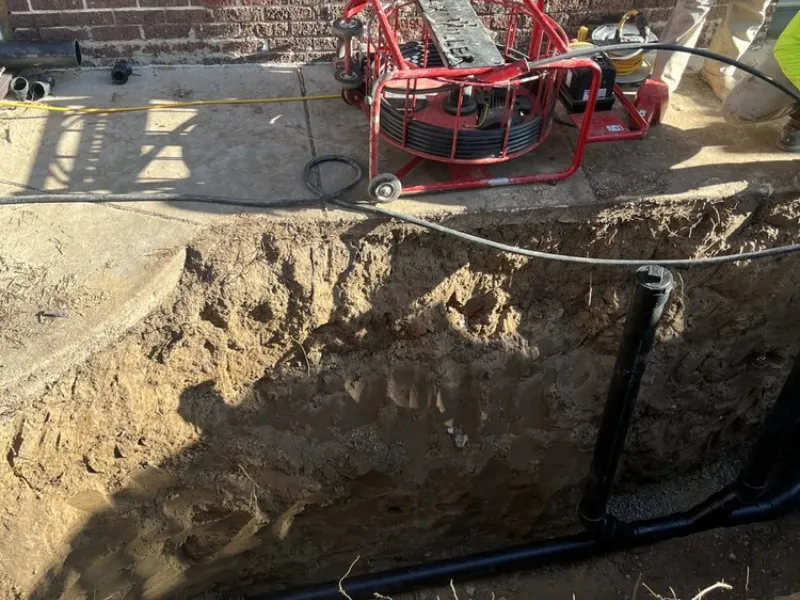
Because roots and debris both cause similar symptoms, the only reliable way to confirm root intrusion is a camera inspection. A plumber feeds a camera down the cleanout and watches the inside of the pipe on a monitor, which shows exactly where the roots are, how far they extend, and whether the pipe is cracked, offset, or bellied. If you are also seeing wet spots or unexplained moisture, a water leak detection and repair visit can help separate a sewer issue from a supply or drain leak.
Which Trees & Pipes Are Most at Risk in San Diego
Not every tree is equally aggressive, and not every pipe is equally vulnerable. Understanding both halves of the equation helps you predict where trouble is most likely on your property.
Trees that cause the most problems
Fast-growing species with thirsty, spreading root systems are the usual offenders in San Diego County:
- Ficus. Perhaps the worst offender locally. Dense hedges and trees send aggressive roots far in search of water and are notorious for clogging laterals.
- Eucalyptus. Common throughout the region, eucalyptus roots travel widely and aggressively seek moisture.
- Willow. Willows thrive in wet soil and their roots are among the most invasive of any landscape tree.
- Sycamore. Fast-growing shade trees with sizable root systems that readily exploit pipe joints.
- Other fast growers such as poplar, maple, and certain pines, especially when planted within a few feet of the lateral.
Pipe materials that invite roots
- Clay tile. The standard lateral in many older San Diego homes. Short sections joined with mortar or bitumen shift and crack over time, creating abundant entry points.
- Cast iron. Durable but prone to internal corrosion and joint failure after decades of service. Roots exploit the softened joints.
- Orangeburg and other legacy materials. Some mid-century laterals used lightweight materials that deform and collapse, giving roots an easy way in.
Combined, an old clay or cast-iron lateral plus a mature ficus or eucalyptus nearby is the single most common root-intrusion scenario we see. Homes in established neighborhoods with large old trees and pre-1980s plumbing are the highest risk.
Temporary vs. Permanent Solutions
There is no shortage of ways to deal with sewer roots. The important distinction is between treatments that manage the symptom and repairs that eliminate the cause. Temporary methods clear or suppress roots so water flows again. Permanent methods fix the structural opening that lets roots in, so the problem does not return.
| Solution | What It Does | Durability | Best For |
|---|---|---|---|
| Professional root removal / augering | Cuts through roots and clears the blockage | Temporary, often months | Immediate relief from a backup |
| Foaming root killer | Kills some root growth as a maintenance treatment | Short-term control | Managing known roots between inspections |
| Hydro jetting | High-pressure water scours roots and debris from the pipe wall | Longer than augering, still not permanent | Thorough cleaning before a camera look |
| Sewer camera inspection | Confirms roots, cracks, offsets, and pipe condition | Diagnostic | Choosing the right repair |
| Trenchless pipe lining (CIPP) | Creates a seamless new pipe inside the old one, sealing cracks and joints | Long-term, 50 years or more | Root-damaged pipe that is otherwise sound |
| Pipe bursting | Pulls a new pipe through while breaking out the old one | Long-term | Badly deteriorated or undersized laterals |
| Section replacement with PVC | Replaces the damaged length with root-resistant PVC | Long-term for that section | Isolated damage in one area |
The right choice depends on what the camera shows. A line with healthy pipe and a few root entry points is often a good candidate for trenchless lining, which seals the openings without excavation. A collapsed or misaligned lateral may call for pipe bursting or a targeted section replacement in PVC. For related pipe issues elsewhere in the home, our guide to repiping and pipelining covers how the same trenchless thinking applies to supply lines, and you can read more about full sewer repairs in our post on sewer line repair in San Diego.
Why DIY Root Killers Fall Short
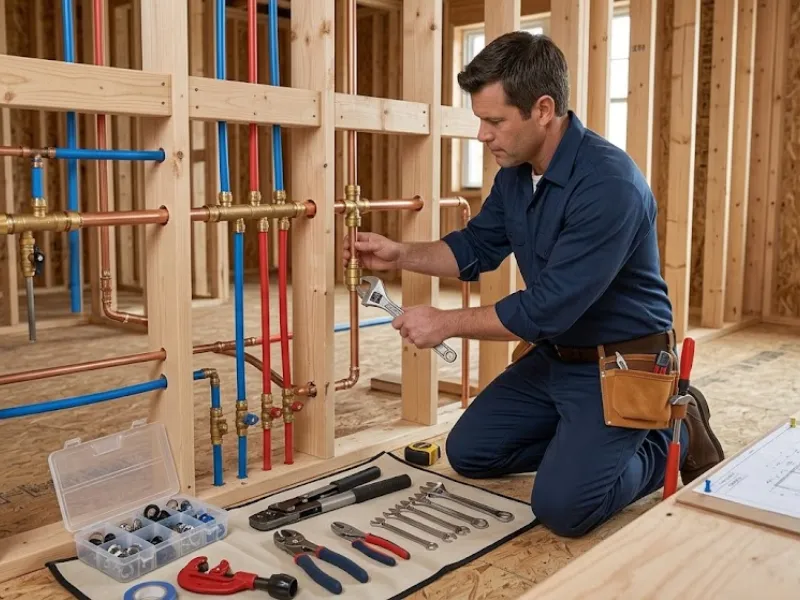
Store-bought foaming root killers are the most popular DIY answer, and it is easy to see why. You pour them into a cleanout, they promise to kill roots, and they are far cheaper than a professional repair. The problem is what they leave behind.
These products can kill part of the root growth they contact, but they do not remove the dead root mass. That mass stays in the pipe, where it collects toilet paper, wipes, and grease and becomes the nucleus of the next clog. Meanwhile, the crack or loose joint that let the roots in is untouched. New roots regrow into the same opening, often within a single season.
Chemical drain cleaners designed for household clogs are an even worse fit. They are formulated for grease and hair, not woody roots, and repeated use can damage older pipes. For a homeowner trying to avoid repeat backups, root killer is at best a stopgap between professional treatments. It is not a repair.
If you use a root killer for maintenance, pair it with periodic camera inspections so you know whether the roots are being controlled or quietly getting worse. Never rely on it as a substitute for fixing a damaged pipe.
Preventing Root Problems
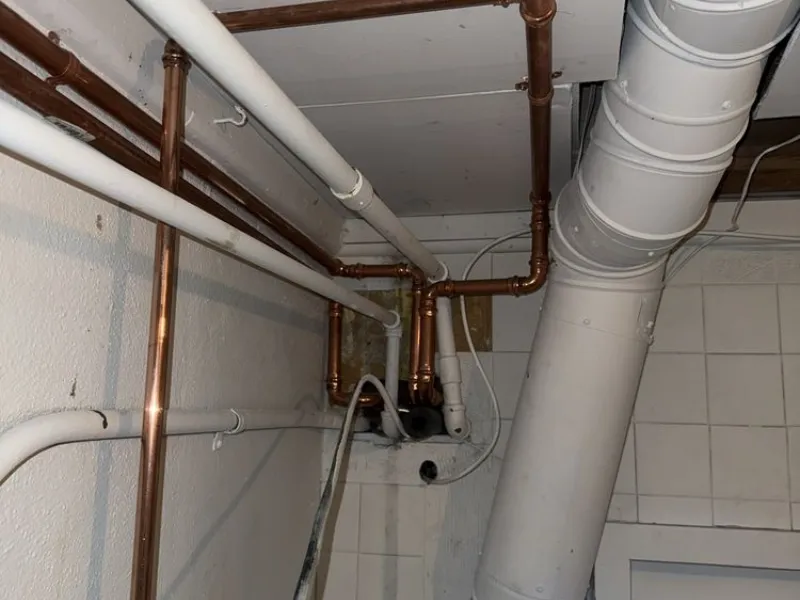
Once a sewer line is repaired, a little prevention goes a long way toward keeping roots out. If you have not had a problem yet, these habits reduce the odds dramatically.
- Plant trees away from the lateral. Keep large, fast-growing species well back from the known path of your sewer line and from the city main.
- Install root barriers. Physical barriers or slow-release root inhibitors around new plantings deflect roots before they reach the pipe.
- Never flush wipes or grease. Even “flushable” wipes and cooking grease catch on roots and turn a small intrusion into a full blockage.
- Schedule periodic camera inspections. Older homes with clay or cast-iron laterals and mature trees benefit from an inspection every one to two years.
- Address slow drains early. A drain that is slower than it used to be is often the first clue that roots are returning.
- Keep a maintenance record. Knowing when the line was last cleaned or inspected helps you and your plumber spot patterns.
Consistency matters more than any single step. A camera inspection is inexpensive compared with emergency cleanup after a sewage backup, and it turns a guessing game into a clear picture of what is happening underground. For kitchen and laundry habits that keep the line flowing, our guide to kitchen plumbing is a useful companion, and if a chronic clog turns out not to be roots at all, read why drains keep clogging and our overview of common San Diego plumbing problems.
Frequently Asked Questions
Can tree roots really grow into a sewer line?
Yes. A sewer lateral carries warm water, constant moisture, and organic nutrients, which is exactly what roots seek. They slip through hairline cracks, loose joints, and failed connections in older pipe, then multiply into a dense mass. A single root hair can start a blockage that grows season after season.
Do store-bought root killers actually work?
Foaming root killers can kill some root growth, but they do nothing to repair the crack or loose joint the roots came through. The dead root mass often stays in the pipe and traps debris, and new roots regrow into the same opening within a season or two. Treat them as short-term control, not a cure.
How do I know if roots are in my sewer line?
The classic signs are recurring clogs in the same line, slow drains throughout the home, gurgling toilets, foul sewer odors, and soggy or unusually green patches above the lateral. A sewer camera inspection is the only way to confirm root intrusion, because it shows the inside of the pipe directly.
Can tree roots break a sewer pipe?
Roots usually enter through existing defects, but as they thicken they widen cracks and shift joints, eventually deforming or collapsing vulnerable clay tile and cast-iron pipe. That is why root intrusion and pipe damage are often found together, and why a camera inspection matters before choosing a repair.
Will a plumber have to dig up my yard to fix root damage?
Not always. Trenchless methods like CIPP pipe lining and pipe bursting rehabilitate a root-damaged lateral through small access points instead of a full excavation. If only a short section is damaged, replacing that section with root-resistant PVC is another option. A camera inspection determines which approach fits your line.
Suspect Roots in Your Sewer Line?
A&A Plumbing serves San Diego County with honest, upfront pricing and same-day service. We’ll camera-inspect the line and explain your options before any work begins.
Call (619) 637-5215