Tank vs. Tankless Water Heaters: Which Is Better for San Diego Homes?
Few home upgrades spark as much debate as the choice between a tank and a tankless water heater. Both heat water for your showers, dishes, and laundry, but they do it in completely different ways, and those differences show up in the purchase price, the lifespan, the space they occupy, and the maintenance they need. In San Diego, there is an extra wrinkle that most buying guides ignore: our water is very hard, and hardness changes the math for both systems.
This guide walks through how each water heater works, the real pros and cons of each, a side-by-side comparison, and how to decide which one fits your home. We install and repair both types across San Diego County, so this is the same advice we give homeowners on site.
How Tank and Tankless Water Heaters Work
The core difference is simple: a tank stores hot water, while a tankless unit makes it on demand.
Tank (storage) water heaters
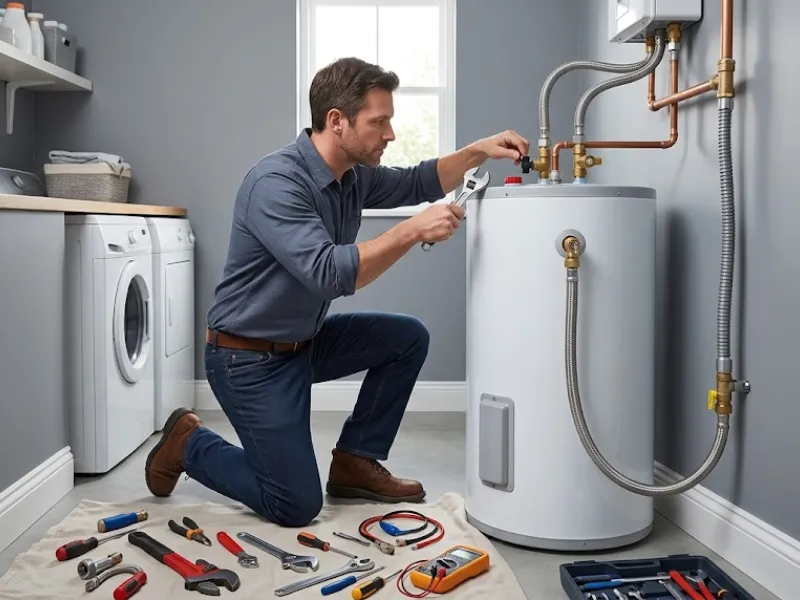
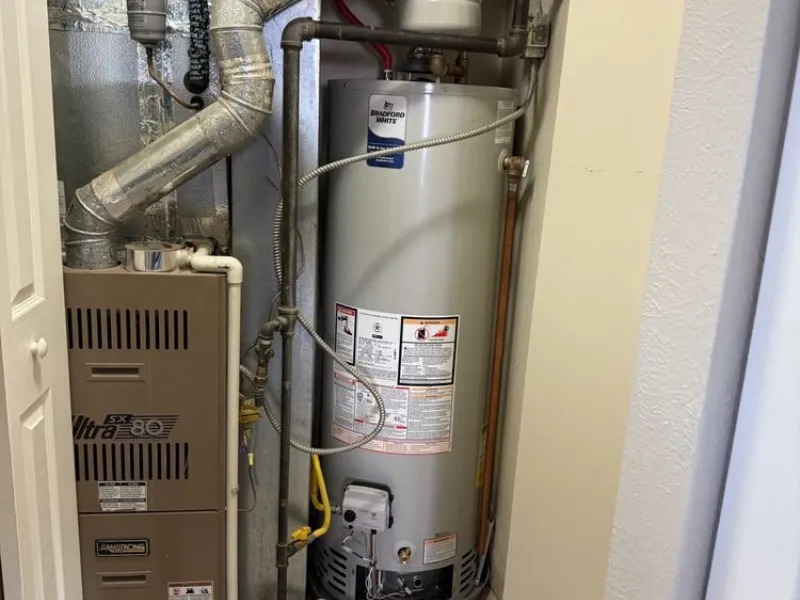
A storage tank holds 40 to 80 gallons of water and keeps it hot around the clock, ready to flow the instant you open a faucet. A burner or electric element reheats the tank as hot water leaves and cold water enters, a process called recovery. Because the water sits warm for hours, some heat is lost through the tank walls and pipes, which is known as standby loss. The tank itself typically sits in a garage, closet, or utility room, and it needs several feet of clearance and a vent for gas models.
Tankless water heaters
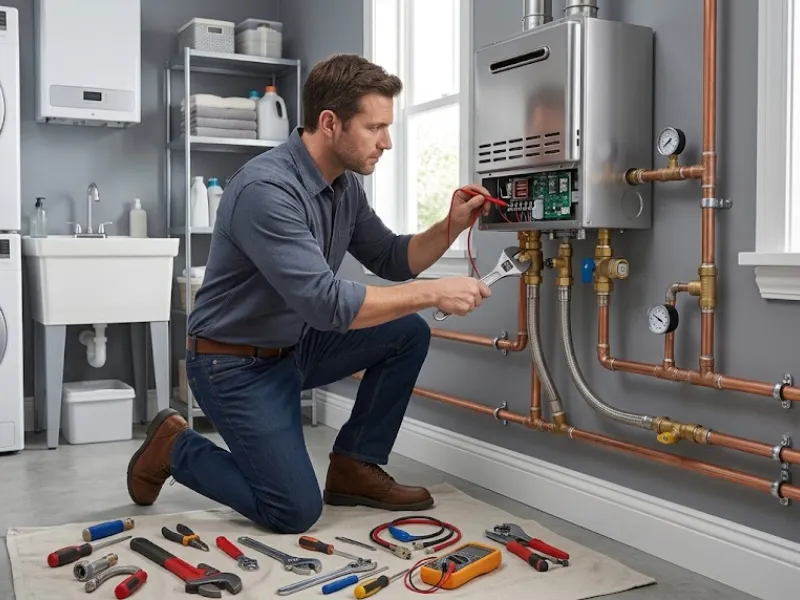
A tankless heater holds no stored water. When you turn on a hot tap, cold water passes through a heat exchanger that fires up and warms it in seconds. There is no tank to run empty and no standby loss, so a tankless unit heats water only when you need it. The trade-off is that it can only heat so many gallons per minute (GPM) at once, which is why sizing by flow rate matters so much. Most gas tankless units also require a dedicated vent and, often, a larger gas line than a tank heater used.
Tank = a reservoir of hot water that can run out. Tankless = on-demand heating with no reservoir, limited only by flow rate and incoming water temperature.
Tank Water Heaters: Pros & Cons
The storage tank is still the most common water heater in San Diego because it is affordable, familiar, and easy to replace. It also has real limitations that matter more here than in softer-water cities.
Advantages
- Lower upfront cost. The unit itself and a standard replacement are far less expensive than a tankless install, and there is usually no venting retrofit.
- Simple, proven technology. Parts are widely available, so repairs are quick and inexpensive.
- No flow-rate surprises. A 50-gallon tank can supply several fixtures at once for a short period, which suits many families.
- Works in a power outage (gas models). A gas tank heater keeps producing hot water without electricity, unlike most tankless units that need power for controls and ignition.
Drawbacks
- You can run out of hot water. The last person in a long line of showers may get a cold surprise once the tank empties.
- Shorter lifespan. Tank heaters last 10 to 15 years in soft-water areas, but in San Diego they commonly fail at 8 to 12 years.
- Wasted energy. Standby loss means the unit reheats water even when nobody is using it.
- Larger footprint. The tank takes up closet or garage space and is heavy when full.
- Sediment buildup. Hard water minerals settle at the bottom, forcing the burner to work harder and shortening the tank's life.
Our guide to water heater repair and replacement signs covers the warning signs that a tank is near the end of its life.
Tankless Water Heaters: Pros & Cons
Tankless units are increasingly popular in San Diego homes, especially where garage or closet space is tight and where homeowners want unlimited hot water. The catch is that their efficiency and longevity depend heavily on maintenance, and that is where hard water comes in.
Advantages
- Endless hot water. As long as the unit is sized correctly, you never run out, which is ideal for large or busy households.
- Smaller footprint. Units mount on a wall and free up valuable floor space, leaving room for storage or a car in the garage.
- Longer lifespan. A well-maintained tankless heater can last about 20 years, roughly double a tank in our water.
- Lower energy use. No standby loss means you heat only the water you actually use, which can trim gas bills over time.
- Consistent temperature. Modern units hold a steady output and avoid the gradual cooling of a tank near empty.
Drawbacks
- Higher upfront cost. The unit, the venting retrofit, and sometimes a larger gas line push the installed price well above a tank replacement.
- Flow-rate limits. Run too many fixtures at once and the temperature drops, because output is capped by GPM.
- Maintenance is not optional. In San Diego's hard water, scale coats the heat exchanger and eventually triggers error codes that shut the unit down.
- Retrofit work. Replacing a tank with tankless often means new venting, a condensate drain, and gas supply upgrades.
- Electric models can strain your panel. Electric tankless units draw a lot of power and may require an electrical upgrade.
Scale is the number one killer of tankless water heaters in San Diego. Annual descaling flushes mineral buildup from the heat exchanger and keeps the unit running within spec. Skip it, and you can trade a 20-year appliance for a 7- or 8-year one.
Head-to-Head Comparison
Here is how the two systems stack up on the factors homeowners ask about most. Costs are typical ranges for San Diego and vary with unit size, venting, and gas or electrical work.
| Factor | Tank (Storage) | Tankless |
|---|---|---|
| Upfront cost | Lower; simplest and cheapest to replace | Higher; includes venting and often gas or electrical upgrades |
| Lifespan | 10–15 years; 8–12 years in San Diego's hard water | About 20 years with annual descaling |
| Efficiency | Good, but standby loss wastes some energy | Higher; heats only on demand with no standby loss |
| Hot water supply | Finite; can run out during heavy use | Endless, limited by GPM flow rate |
| Space | Takes up floor or closet space | Wall-mounted, very small footprint |
| Maintenance | Annual flush and periodic anode rod check | Annual descaling (every 6–12 months in hard water) |
| Best for | Budget-conscious homes, low demand, quick replacements | Large households, tight spaces, long-term stays |
Which Is Better for San Diego's Hard Water?
This is the question most comparison articles skip, and it matters more in San Diego than almost anywhere else. The City of San Diego reports tap water averaging roughly 16 to 18 grains per gallon, and on-site tests across the county regularly read 16 to 25 gpg. Anything above 10.5 gpg is considered very hard, so our water is well past that line.
Hard water is tough on both systems, but it hurts them differently.
- Tank heaters: Calcium and magnesium settle to the bottom as sediment. That layer insulates the water from the burner, so the unit runs longer, uses more gas, and corrodes from the inside. This is the main reason tanks here fail at 8 to 12 years instead of 10 to 15.
- Tankless heaters: Scale coats the heat exchanger, the component that actually heats your water. As scale thickens, efficiency drops and the unit overheats, which triggers error codes and shutdowns. Annual descaling is what protects the investment.
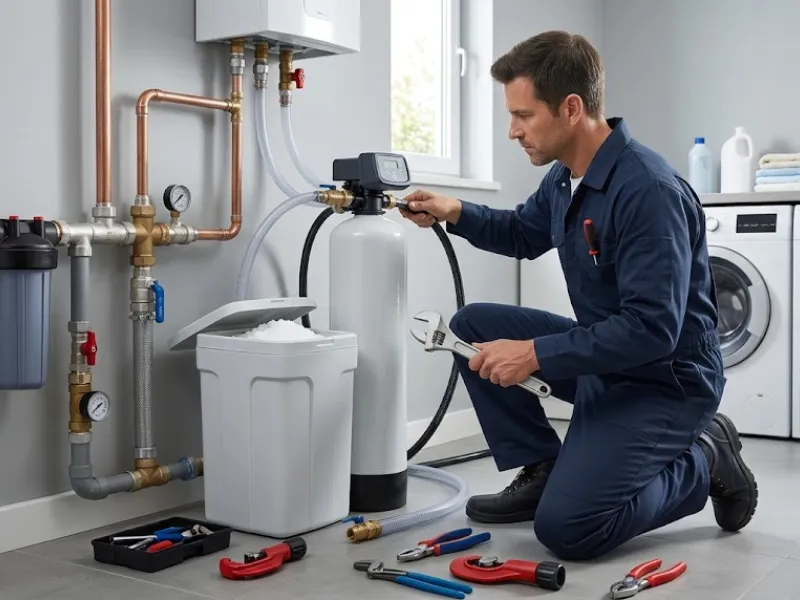
The single best thing you can do for either system is to stop the minerals before they reach the heater. A properly sized whole-house water softener removes hardness at the source, which extends the life of your water heater, your fixtures, and your appliances. If you want to understand the broader toll hardness takes on a home, see our guide to San Diego water hardness effects.
Neither system is immune to hard water. A tank needs annual flushing; a tankless needs annual descaling. Add a water softener and you can meaningfully extend the life of both.
Cost & Lifespan in San Diego
Upfront price is only part of the story. The true cost of ownership combines the purchase and installation with the years of service you get and the maintenance along the way.
Upfront cost
A straightforward tank replacement is the budget-friendly option. A tankless installation costs more because of the unit itself and, in most retrofits, new venting, a condensate drain, and possibly a larger gas line. On new construction where venting is planned from the start, that gap narrows.
Lifespan and long-term value
A tankless heater lasting around 20 years can cost less per year of service than a tank that needs replacing every 8 to 12 years in our water, even though it costs more up front. But that math only holds if you keep up with descaling. Skip it, and a tankless unit can fail before a tank would have.
Operating cost
Tankless units use less energy because they avoid standby loss, so monthly gas bills are often lower. The savings are real but modest, and they usually take years to offset the higher installation price.
The biggest surprises on a tankless quote come from venting, gas line sizing, and electrical work, not the unit. Ask for a quote that itemizes those separately so you can see the true installed price.
How to Choose the Right Water Heater
There is no universal winner. The right choice depends on how your household actually uses hot water and what your home can support. Walk through these factors with a plumber before you buy.
Household size and demand
A single person or a couple rarely maxes out a storage tank, so a tank is often the sensible, affordable pick. A family of four or more that showers back to back will feel the limits of a tank and may prefer the endless supply of a correctly sized tankless unit.
Simultaneous fixture use
Count how often you run a shower, dishwasher, and washing machine at the same time. That simultaneous demand is what tankless sizing is built around, measured in GPM. If your habits peak together, choose a unit with enough flow capacity or accept that temperature may dip.
Gas vs. electric
Gas heaters, tank or tankless, generally heat faster and cost less to run. Electric tankless units work but draw heavy current and may require an electrical panel upgrade, which can erase the savings.
Available venting
Check where the current heater vents. A standard tank flue is not always compatible with a tankless unit, and installing a new vent path can be a significant cost. This is one of the most common reasons a homeowner chooses a tank instead.
Budget and expected length of stay
If you plan to sell in a few years, the lower upfront cost of a tank may be the smarter financial move, since you may not stay long enough to recoup the tankless premium.
Flow-rate and GPM sizing
For tankless, sizing is about flow rate and incoming water temperature, not tank gallons. San Diego County's groundwater runs cool, so the unit has to raise the temperature further, which reduces its effective GPM. A plumber will match the unit to your fixtures and climate so you get consistent hot water.
Whichever system you choose, professional installation protects the warranty and your safety. Explore our water heater services and dedicated tankless water heater services to see how we size and install both types. If your existing unit is failing, our guide to common plumbing problems in San Diego homes helps you spot the warning signs early.
Frequently Asked Questions
Which lasts longer, a tank or a tankless water heater?
A tankless water heater generally lasts about 20 years with proper maintenance, while a storage tank lasts 10 to 15 years nationally and often only 8 to 12 years in San Diego because of hard water sediment. Without annual descaling, a tankless unit here can fail well before its rated life.
Is a tankless water heater worth it in San Diego's hard water?
Yes, as long as you commit to maintenance. Tankless units deliver endless hot water and save space, but city water averages about 16 to 18 gpg and county readings run 16 to 25 gpg, which is very hard. That scale coats the heat exchanger, so annual descaling and ideally a water softener are essential.
How often does a tankless water heater need descaling in San Diego?
For most homes, once a year is the minimum, and homes on the higher end of the county's hardness range may need descaling every six to twelve months. Skipping it lets scale build on the heat exchanger, reducing efficiency and eventually triggering error codes or a shutdown.
How do I size a tankless water heater?
Sizing is based on flow rate in gallons per minute (GPM), not tank capacity. Add up the GPM of the fixtures you expect to run at once, then account for San Diego County's cooler incoming groundwater, which forces the unit to raise the temperature more. A plumber can match the right GPM and gas input to your household.
Can I switch from a tank to tankless without changing the venting?
Usually not. A standard tank heater often vents through a metal flue, while most tankless units require a dedicated stainless steel or PVC vent, and sometimes a larger gas line. Those retrofit costs explain much of the higher upfront price, so include venting and gas supply in your quote.
Ready to Upgrade or Replace Your Water Heater?
A&A Plumbing serves San Diego County with honest, upfront pricing on both tank and tankless installations. We’ll size the right system for your home and explain your options before any work begins.
Call (619) 637-5215